
Historic Building Conservation
Professional Development Diploma in Historic Building Conservation and Repair
Award: Professional Development Diploma (PDD) in Historic Building Conservation & Repair
Recognised by Historic England (formerly English Heritage)
Duration: Part time completed in a maximum of five years (September 2027)
School: School of Conservation
Campus: West Dean
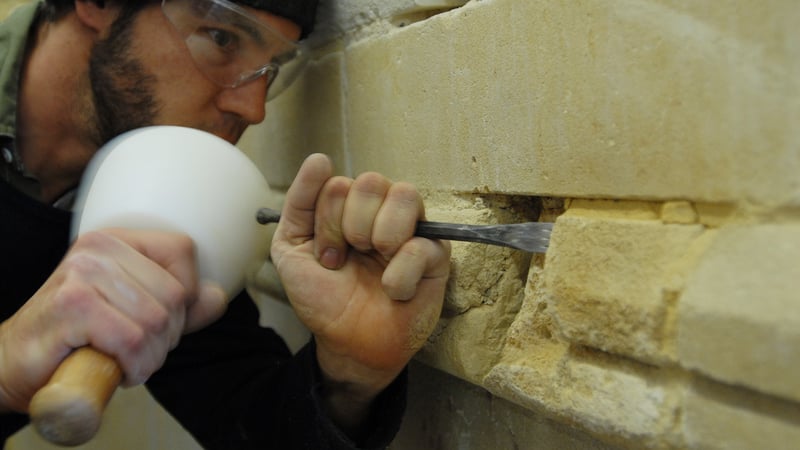
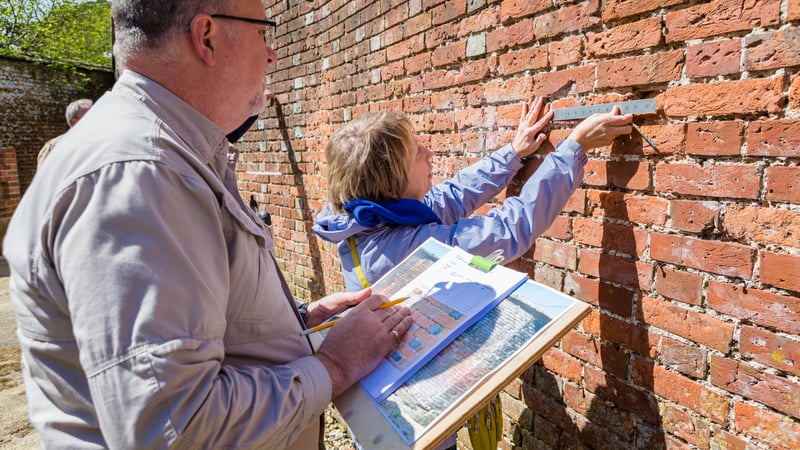
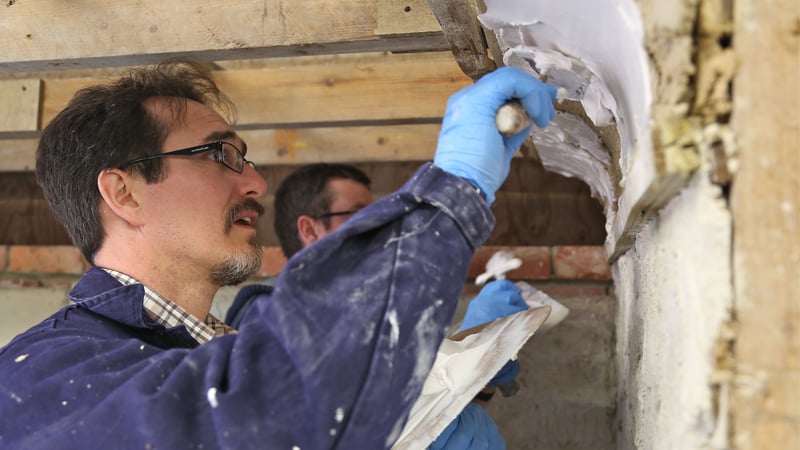
Study the technical and practical skills relevant to the repair and maintenance of historic buildings and structures. Improve your skills and up-to-date knowledge of developments in materials, techniques and current practice.
The Professional Development Diploma is recognised by Historic England and adheres to its guidelines and standards aimed at improving building conservation practice. The Historic England Practical Building Conservation volumes are the core texts which underpin the courses. The diploma is designed and delivered by leading practitioners and follows the latest knowledge and developments in technology, craft and science applicable to historic buildings, archaeological sites and monuments.
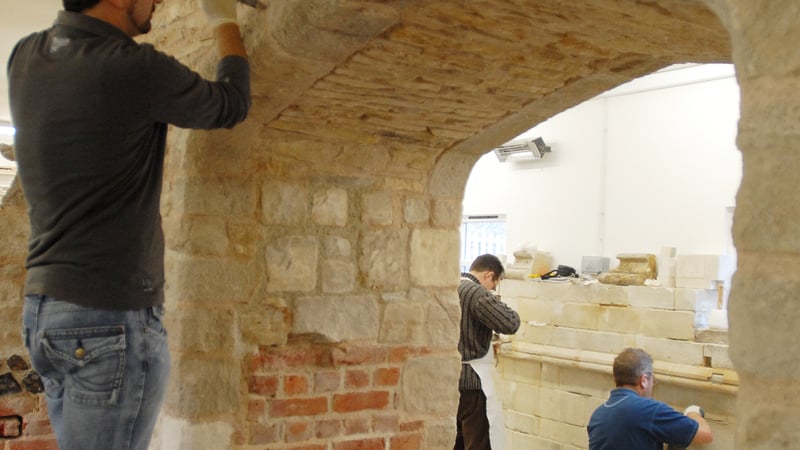
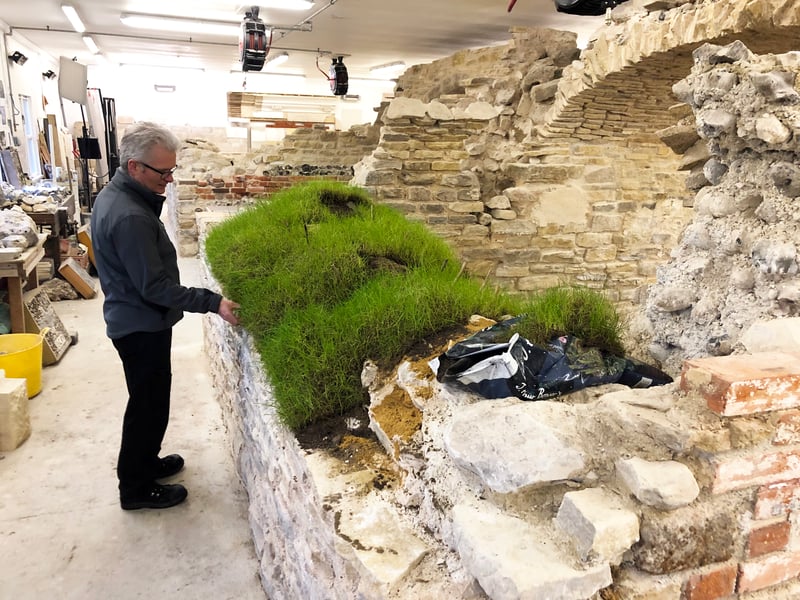
The unique Ruinette at West Dean, on which students practise conservation and repair techniques, is a purpose-built structure exhibiting the materials and defects typically found in historic buildings. The diploma is aimed at those who need to develop practical skills and those who need to understand, specify and supervise them.
This historic building course is ideal for conservators, conservation officers, architects, surveyors, craftspeople and specialist contractors.

Course gallery
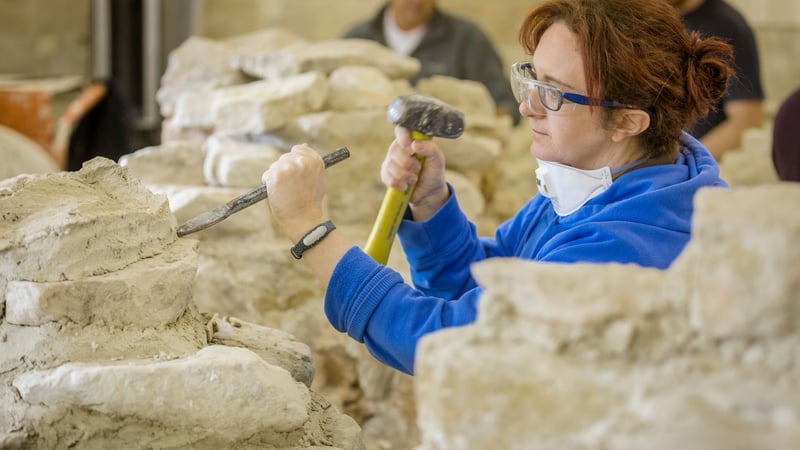
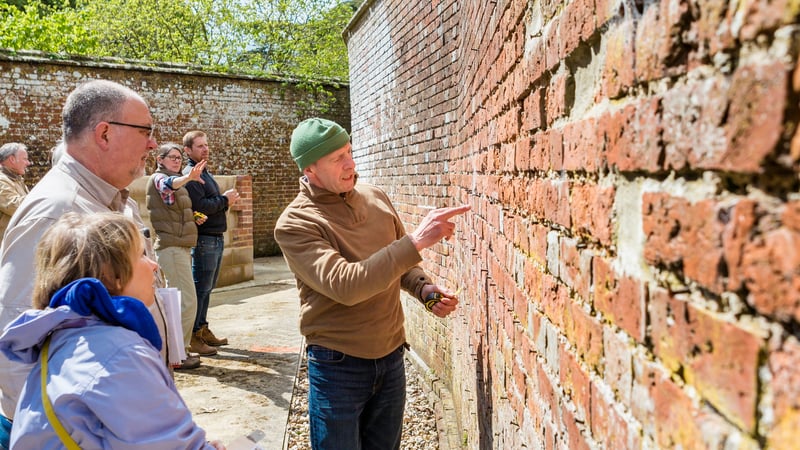
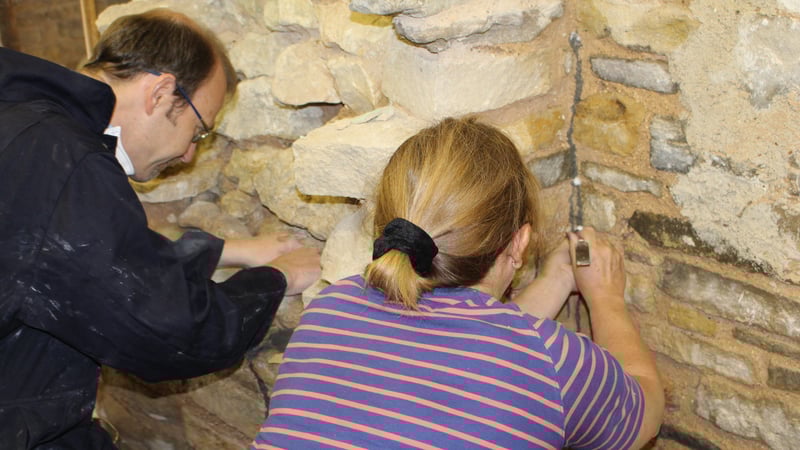
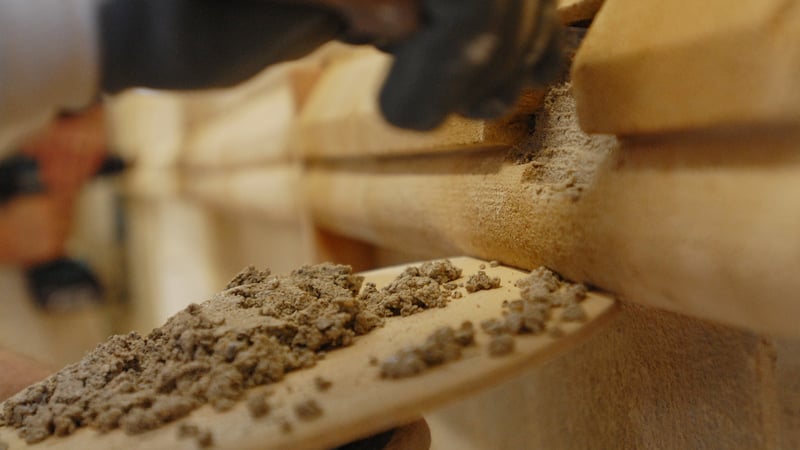


Learning environment
- High tutor: student ratio
- Specialist teaching resources including the purpose-built Ruinette to practise techniques
- Workshop-based or conference style learning, dependent on masterclass subject
- Residential accommodation is available while you complete each masterclass
Student perspective
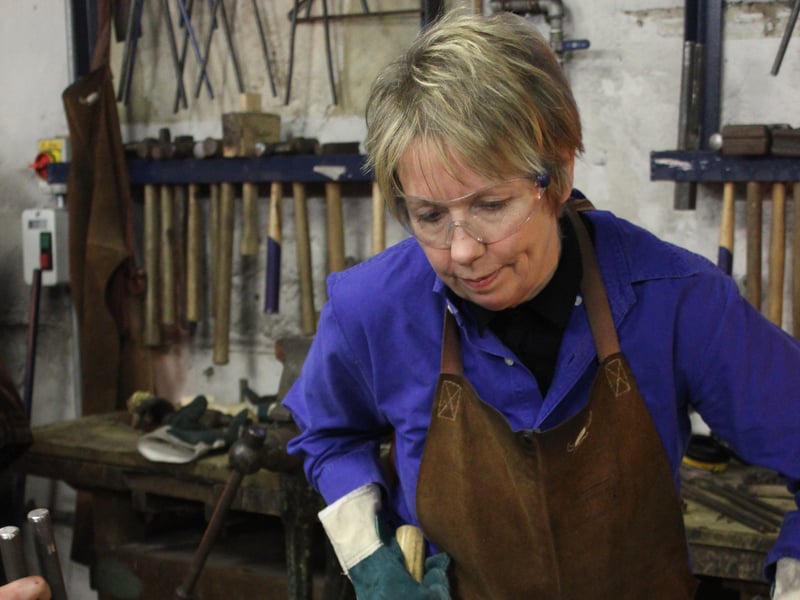
"I've been project managing a Heritage Lottery Funded Skills for the Future project, to support traditional building skills training and address the shortage of skilled craftspeople in and around Leeds. The city has a huge number of buildings built before 1919 but diminishing numbers of specialist heritage construction workers.
I'm looking to continue working in this area. I have an understanding of building conservation but wanted some practical training, this seemed to be the most practical course available and was recommended by a colleague. The ability to study towards accreditation in short bursts also suited me and I'm very grateful to have been awarded a bursary by the Drake Trust to enable me to study here.
The standard of tutors and speakers has been superb … it's been a privilege to study with them. I've also met a range of contacts who I know will be useful for future networking. Because of the highly respected nature of the courses here, I've been asked by colleagues to report on some of the expertise on my return, up-to-date developments in the use of lime mortar for example.
Overall, I've found the courses to be an excellent mix of practical and theoretical learning supported by great facilities."
Sarah Neville
Professional Development Diploma in Historic Building Conservation and Repair

School of Conservation
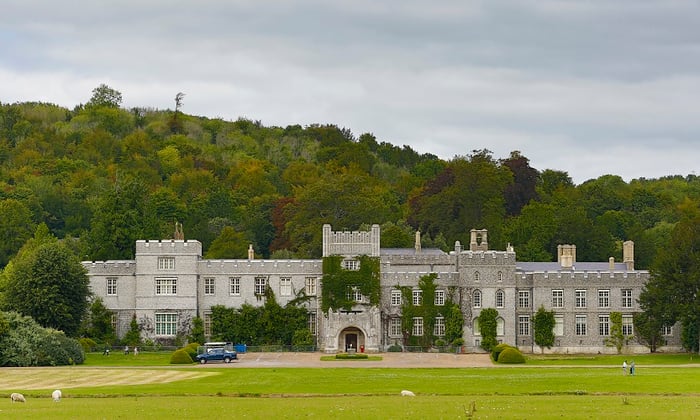
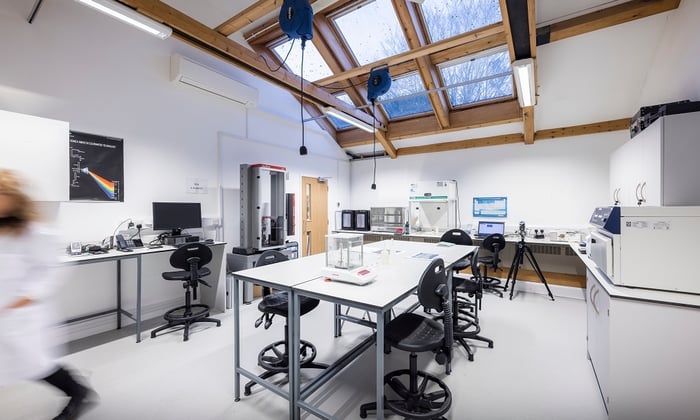
Our School of Conservation offers a dynamic, internationally connected and respected learning environment where students benefit from the unique opportunity to study in a working historic house. Students enjoy access to well-equipped professional workshops, studios, and a state-of-the-art analytical laboratory.
Fees & funding
Fees are listed on each course page - the minimum cost would be approximately £10,000 for 10 courses (2025 prices), plus the registration fee of £450, payable on acceptance onto the course. This fee covers marking of the final portfolio and tutorials with the subject tutor.
10% discount on course fees to employees of Historic England, English Heritage, Icon, Cadw, Historic Scotland, Northern Ireland Environment Agency, Institute of Historic Building Conservation, Commonwealth War Graves Commission and members of Building Limes Forum UK and Ireland.
We may routinely increase our course fees from year to year for one-year courses as well as courses lasting two or more years and may review and change such course fees without notice.
Funding
Find out more about funding your studies.
The Drake Trust generously provides a number of bursaries for students attending a Building Conservation Masterclass at their own expense. To apply for The Drake Trust Bursary please contact [email protected].
The York Consortium for Craft and Conservation supports bursaries to encourage opportunities for sustained training and development in heritage building crafts and trades. It offers up to £15,000, spread over two or three years, towards training and education for a recent entrant in a field of traditional building craft practice. Please note, students apply directly - find bursary information here. Please visit The York Consortium for Craft and Conservation periodically for updates on next funding opening round and deadlines.
The Sussex Heritage Trust bursary scheme – The scheme supports courses relating to construction, conservation and architectural heritage; including Building Conservation Masterclasses. Please note, students apply directly - find bursary information here:
- Bursary for Young People
- Bursary for those looking to retrain and experiencing financial hardship
International Conservation Services Australian Bursary (Bursary support for Building Conservation Masterclasses for Australian Nationals) - Are you an Australian National living in the UK with a passion for the conservation and repair of historic buildings? We are pleased to announce that funding is available to attend the Building Conservation Masterclasses (BCMs) at West Dean College. This bursary provides a contribution of up to £500 per course and is ideal for those planning to take valuable, specialist skills back to Australia after study. For full eligibility criteria, the application process, and to download the relevant bursary application form, visit our funding page
Entry requirements
Students will ideally have training/experience in the field and/or a minimum of two years' practical experience. The diploma is ideal for (though not limited to) conservators, conservation officers, archaeologists, architects, surveyors, engineers, craftspeople and specialist contractors.
How to apply
Applications for this course can be made by submitting a completed application form and emailing it to: [email protected].
Any questions?
Email [email protected]; call us on: (01243) 818 300 and select option 1, or read more about our Admissions processes.
FAQs
What level of qualification is the diploma?
The West Dean Professional Development Diploma certificate is equivalent to Level 4-5.
Does blended learning mean I can study theory at home in my own time?
Yes – there are currently four courses being piloted in e-blended format with the likelihood that more will be offered.
How many hours of self-study are required per Building Conservation Masterclass (BCM)?
We estimate between 10-12 hours are required ahead of each practical session. The online elements are started 3-4 weeks ahead of the practical with some ‘live’ Zoom group discussions to allow tutors and students to meet each other ‘virtually’ to prepare for the practical.
How much hands on practical training is there per BCM?
This varies per course. Typically, two days focused practical work per BCM.
What is the average time taken to complete the diploma?
There isn’t an average as it depends on working commitments. Some students choose to do the BCM courses back-to-back, others spread them out. Applicants have up to five years to complete the course.
Is there funding available for this course?
The Drake Trust provides bursaries to support this Professional Development Diploma. Please contact us at [email protected] to apply for this.
Do I pay my fees upfront?
You pay for each course as you book. So you pay in increments with a £450 registration fee.
Recognised by
School of Conservation news
Historic Building Conservation and Repair
23rd September 2021
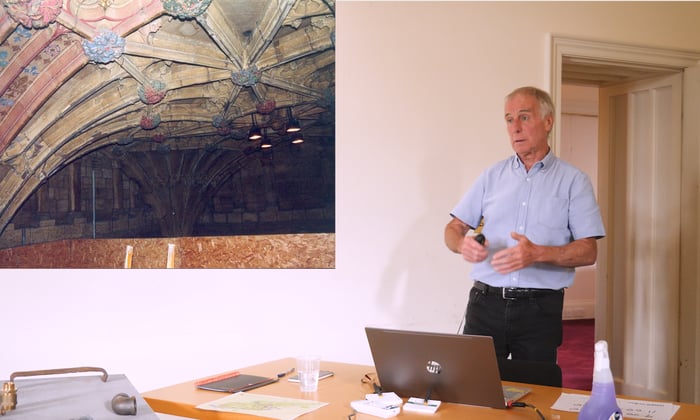
In conversation with Dr David Farrell
Dr David Farrell is an engineer who gained his PhD in Corrosion Engineering in 1984 and was manager of the Inspection and Monitoring Group at the Corrosion and Protection Centre Industrial Services. He became the Managing Director of Rowan Technologies Ltd, who are consultants to English Heritage, and have worked on many research and development and advisory p...
Historic Building Conservation and Repair
16th March 2020
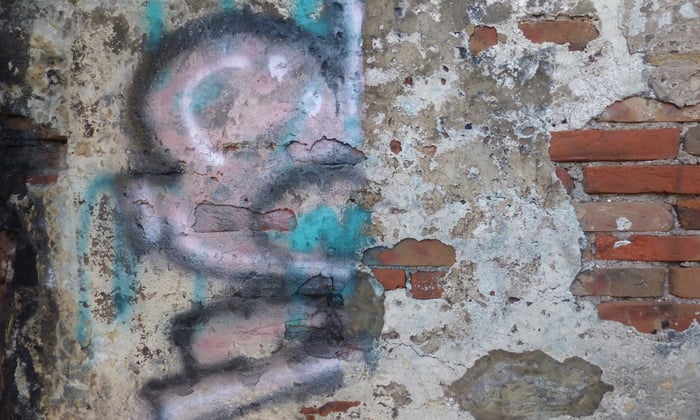
Safely and effectively removing unwanted soiling, staining and coatings from historic buildings
By Jamie Fairchild, Building Conservation Masterclass Tutor Graffiti removal is an important aspect of Masonry Cleaning especially when it relates to a delicate historic surface such as this example; plasterwork within a C12th monastic ruin, part of the Scheduled Ancient Monument. Add some bats in the vaults beneath and a running flood in the adjacent river – how should we ta...
Historic Building Conservation and Repair
1st February 2019
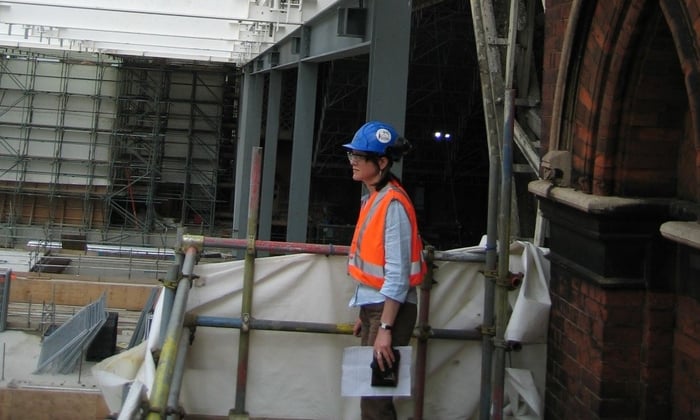
We discuss Building Conservation with Subject Leader Catherine Woolfitt
We discuss Building Conservation with Catherine Woolfitt ACR MCIfA MA Classics MA Art Conservation - Subject Leader Historic Building Conservation and Repair.
Q: You started your career as an archaeologist - what attracted you to historic building conservation?
A: Initially my interest was in the conservation of ruins, building remains on archaeological sites. I became fascinated ...
Tutors
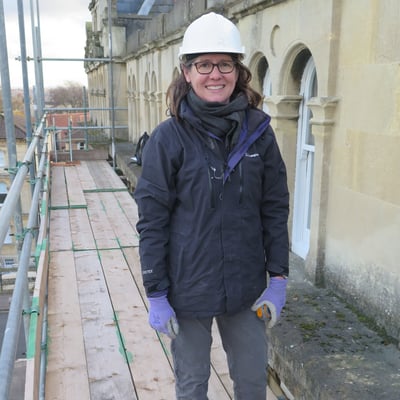
Catherine Woolfitt
Subject Leader - Historic Building Conservation and Repair
Catherine Woolfitt is an archaeologist and architectural conservator and has worked in the conservation of the built heritage since 1993. With wide-ranging work experience in Italy, Israel and the UK, her experience bridges the museum, object, and building conservation sectors.

Student Information
Discover more about student life, campus facilities, accommodation and admissions.
Find out more

Funding
We know it's not easy funding your studies, and we work hard to provide opportunities for additional financial support.
Find out more

International Students
We welcome students from around the globe. Discover more about studying in the UK, fees and student life.
Find out more