Shibori techniques for textiles with Rob Jones

Ref: SSS39886

About this course

Working with traditional techniques, create patterned fabrics and papers using stitching and binding. You will be taught: Shibori basics, Mokume, Guntai and Makiage, Itajime, Shin-Ire, Arashi and Hishaki-nui, before dyeing with traditional indigo dye.

Course Description

Shibori is the Japanese word for resist dyeing of fabric. Working with a variety of traditional techniques, you will create patterned fabrics using stitching and binding, boards, clamps, templates and poles before dyeing with traditional indigo. Each piece of fabric will be unique, allowing for creative exploration for your own textile work.

Working with a variety of techniques and then dyeing the fabrics produces amazing textures and effects for use in textile art. Each piece of fabric will be unique, allowing for creative exploration for your own work.

You will explore a wide variety of Shibori techniques to pattern cloth using stitch, binding, clamping, pleating and wrapping and be encouraged to try ideas of your own.

Following this there will be a recap on the basics of stitching and binding: advanced stitch techniques including traditional patterns such as Hishaki-nui (working on the fold), Mokume (Woodgrain), Guntai (stitch and bind as you go), Itajime board clamping; Shine-Ire (rope core work using a traditional shibori stand); Makiage (stitched motifs); and a selection of other techniques will also be presented. We will also look at layering techniques on top of each other and cutting and re-piecing which may appeal to textiles artists looking for a more advanced interpretation of Shibori and how to vary its use.

After preparation, your work will be dyed with indigo to produce a range of blues. You will produce a range of fabrics to keep both as a visual record for future reference and, if you wish, towards the end of the course do some work exploring re-piecing and ways to work with your dyed fabric. Demonstrations, discussions and tutorials will be ongoing throughout the course and encouragement given on how to continue with your work at home or in your studio.

The only pre-requisite is that you’ll need to have some hand sewing skills and dexterity for using thread.

Summer School Highlights The Summer School week is an immersive learning experience with more time to develop your creativity and embrace opportunities for creative development beyond your chosen course. A detailed timetable for your Summer School week will be given to you on arrival. This will include:

  • Short inspirational talks by tutors and displays of their work
  • A short creative experience session in another discipline/media or course
  • An optional evening at the Chichester Festival Theatre (discounted if pre-booked through West Dean)
  • An optional lunchtime tour of West Dean Gardens, the historic rooms at West Dean College, or West Dean Tapestry Studio
  • A celebration dinner on the last evening themed on ‘Fantasy and Myth’. Feel free to respond to the theme if you wish
  • Informal end-of-course group reviews and displays of students' work in studios

All lunches and evening meals are provided for residential and non-residential students during summer school due to planned activities/events in the early evenings.

N.B: This workshop will focus on using an indigo dye vat for blues. The course may not be suitable for those with nut allergies or sensitivity to dye plants.
Course Materials

Included

Indigo dyes and auxiliaries will be provided.

What students need to bring

Fabric: Gather a collection of plain natural cellulose fabrics to use to dye. Fabrics such as cotton, linen, hemp, bamboo and viscose (or combinations of these) work best. You can also dye silk and wool too, so bring some of these if you wish. Threads can also be dyed. If you like to recycle fabric, consider bringing some, they often take the dye beautifully. Bring 2-3 metres of cotton lawn. It will be used in the Itajime clamping and some other techniques. Shirting and quilting cottons are excellent for stitch resist work. You can also bring pre-hemmed scarves should you wish to dye a piece to wear. Please pre-wash all fabrics in non-biological washing product (unless they are PFD – prepared for dyeing) and dry. Do not use fabric softener.

A large sealable bucket with a lid (25l) Apron and rubber gloves – wear old clothes. Wooden stick, dowel or short piece of bamboo (1 inch diameter, approx. 2 feet long) to stir the vat Air or water erasable marker pen Ruler, note pad and pen and digital camera A cushion. This will be used to Shin-Ire core work with a stand so make sure its comfy as you will be sitting on it. Bonded nylon thread (60s weight) to use for tying and stitching. Get a dark colour so you can see your stitching. Sewing kit – scissors, needles etc. You need a long, THIN darning needle. Unpicker/Seam ripper A large Jerry Can or liquid container should you wish to take your indigo home with you. The tutor will bring a selection of items for the class to use such as templates, pegs, clips and poles for some of the Shibori techniques. If you have any others of your own, please bring them.

Available to buy

Available from shop:

  • A limited ranges of natural fabrics suitable for dyeing
  • Fabric marker pens
  • Unpicker/Seam ripper
  • Needle threader (optional

Available from tutor: -On this course the tutor will bring some additional fabrics for you to purchase directly from him if you wish. The cost of what you select should be paid to the tutor before the end of the course: Vintage French linen fabric and some mordanted fabrics and pre-dyed fabrics, may be available.

Additional information

Wear appropriate clothing/aprons for the workshop or studio, this includes stout covered footwear i.e. no open-toes or sandals.

Timetable

Arrival day - first date of course
Residential students can arrive from 4pm, non-residential students to arrive by 6.45pm for registration  
Student welcome, followed by dinner: 6.45pm (dinner included)
Teaching session: 8pm-9pm (attendance is essential)

Daily timetable
Course teaching: 9.15am-5pm  
Morning session: 9.15am-12.45pm including coffee/tea break  
Lunch break: 12.45pm-2pm (lunch included)  
Afternoon session: 2pm-5pm including coffee/tea break  
Teaching finishes: 5pm    
Evening working: students may have access to workshops until 9pm, but only with permission from the tutor and provided any health and safety guidelines are observed.  

Departure day - last date of course
Course teaching: 9.15am-3pm (lunch included)  
Teaching finishes: 3pm  

All lunches and evening meals are provided for residential and non-residential students during Summer School due to planned activities/events in the early evenings.  
Residential students will need to check out of rooms by 10am.
Please note, the tutor may make slight variations to the daily timetable as required.  
Several evening events are planned throughout the week, a detailed timetable for your Summer School will be given to you on arrival.

General Information

Tutors

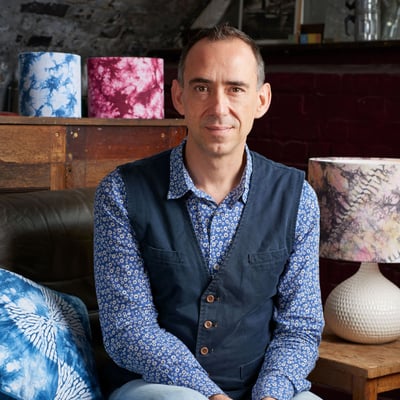
Rob Jones

Rob Jones is a textile artist, who takes his inspiration from Japanese Textiles traditions including Shibori, Katagami stencilling and Sashiko embroidery and Boro. He began his study in 2011 at West Dean on short courses and then undertook an intensive course with Bryan Whitehead in Japan in the autumn of 2014. Rob has been a full time textiles designer and teacher since September 2015.

Accommodation

Residential option available. Find out accommodation costs and how to book here.

Courses of interest

Feltmaking: exploring nature's palette

Online
Buy course
Tutor: Jeanette Appleton |
Beginners/Intermediate
£47

Inspirational natural dyeing for textiles

Online
Buy course
Tutor: Zoe Burt |
Beginners
£47

Mixed media textiles

Online
Buy course
Tutor: Helyne Jennings |
Suitable for all
£47

Traditional marquetry

6 to 8 Mar 2026 | West Dean
Places available
Tutor: Audrey Fasquelle |
Beginners
£388
Further study options for art craft and design short courses

Further study options

Take the next step in your creative practice, with foundation level to Masters in Fine Art study. 

Depending on your experience, start with an Online Foundation Certificate in Art and Design (one year, part-time), a Foundation Diploma in Art and Design made up of 10 short courses taken over two years (part-time) or advance your learning with our BA (Hons) Art and Contemporary Craft: Materials, Making, and Place (six years part-time). All will help you develop core skills, find direction in your practice and build an impressive portfolio in preparation for artist opportunities or higher-level study. See all degree and diploma courses.