
Fine Art
Foundation Diploma in Ceramics
Award: Foundation Diploma in Ceramics
Duration: 2 academic years, part-time (September 2027 or April 2027)
School: School of Arts
Campus: West Dean
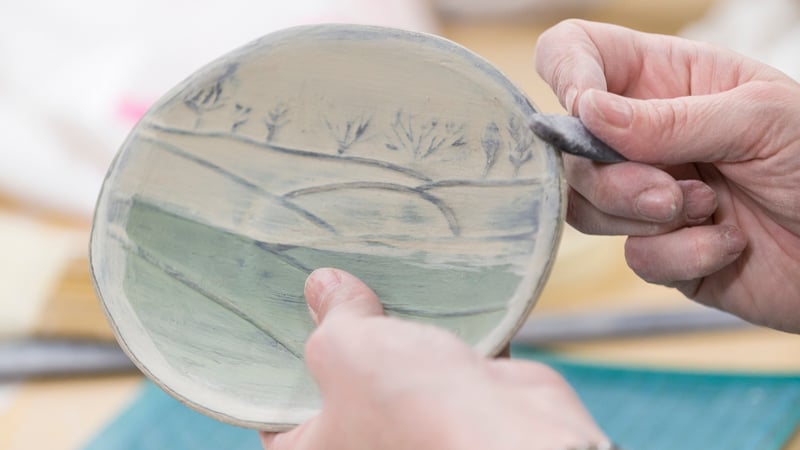
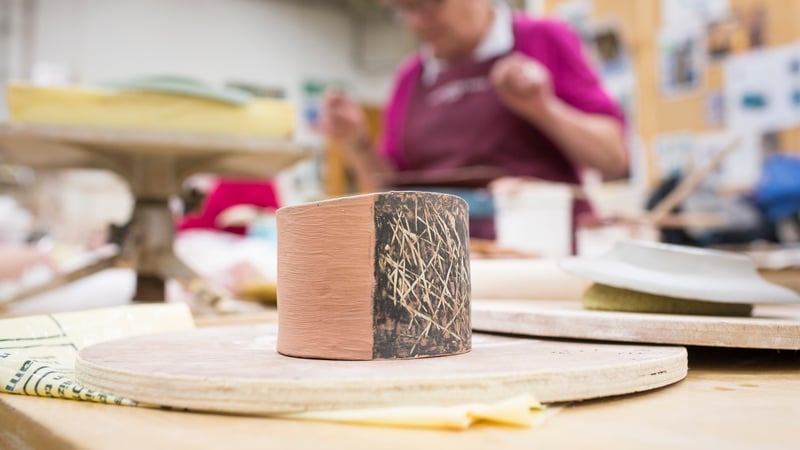
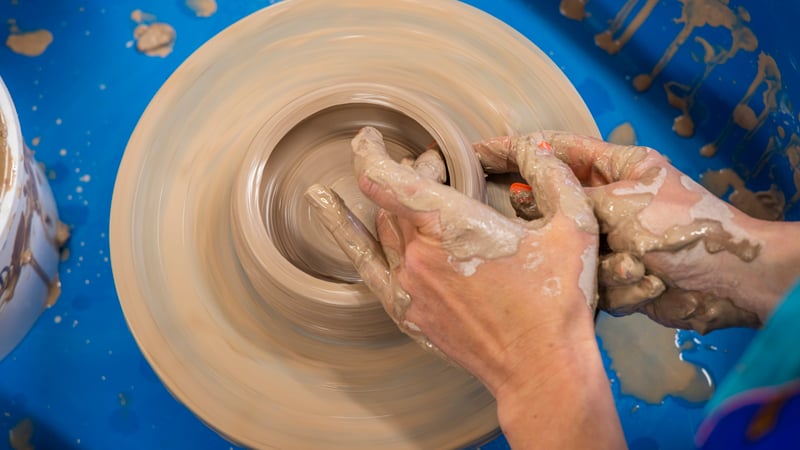
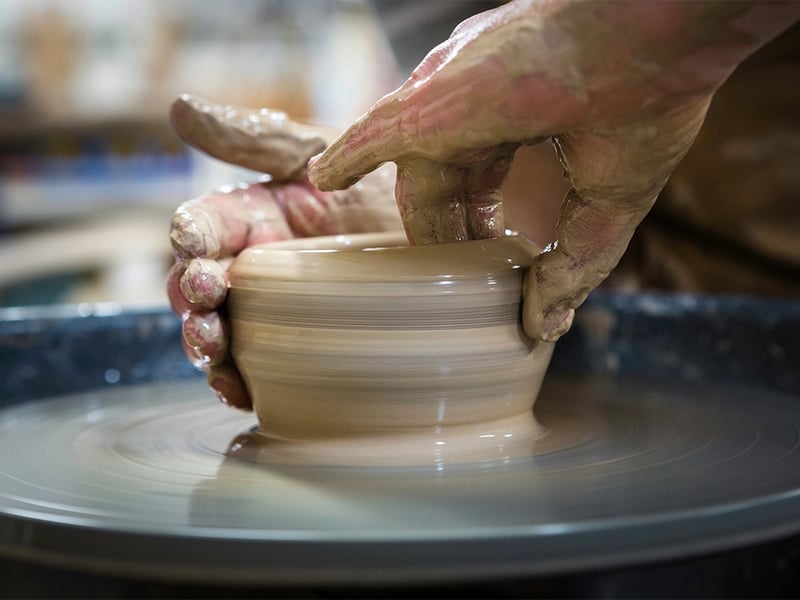
The West Dean Foundation Diploma in Ceramics is awarded in recognition of the successful completion of the two-year, part-time programme of six, three-day units, self-directed study and making, with a final 1500 word essay. It aims to offer a comprehensive understanding of the material and will enable you to gain a wide variety of clay techniques from hand-building to throwing, decorating and glazing work, that will develop your skills and build up your own creative language. You will be supported throughout the course, enabling you to create work based around your own research and interests.
The West Dean Foundation Diploma in Ceramics is suitable for potters who have had some experience with working with clay, either at West Dean or elsewhere, and are looking to commit to an extended programme of study and develop confidence within their own personal approach and inspirations.
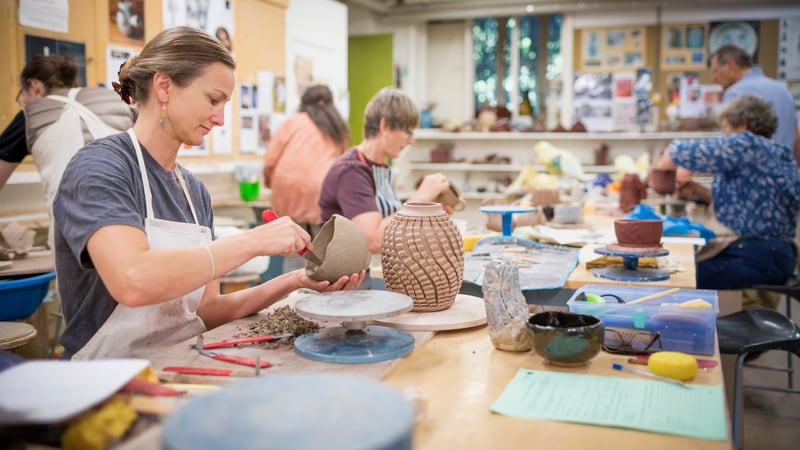
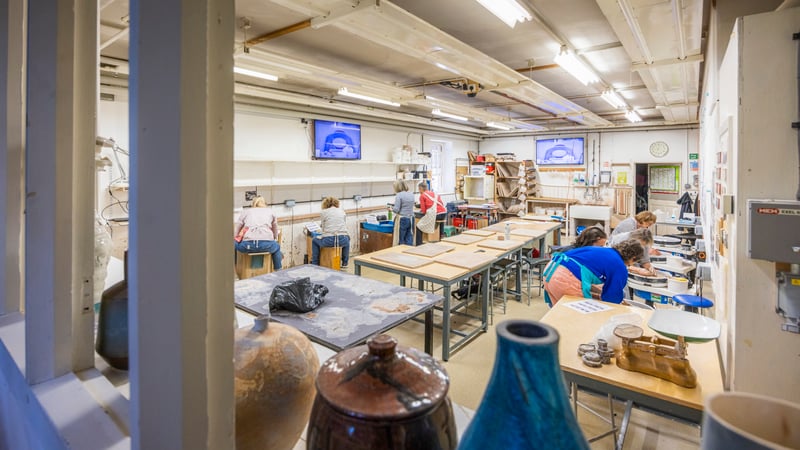
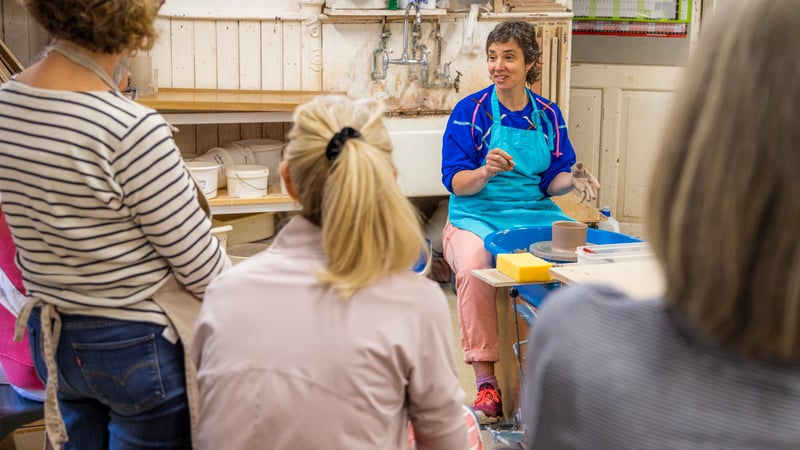
Within each unit, an in-depth practical process will be introduced by the tutor, as a springboard to exploring techniques with individual direction to aid your development. The importance of health and safety and the running of a studio will be introduced alongside these units. There will also be talks on historical and contemporary issues in ceramics. Each unit will be held in the College’s fully equipped pottery studio that offers regular short courses with well-known makers of ceramics throughout the year.
Gallery

School of Arts
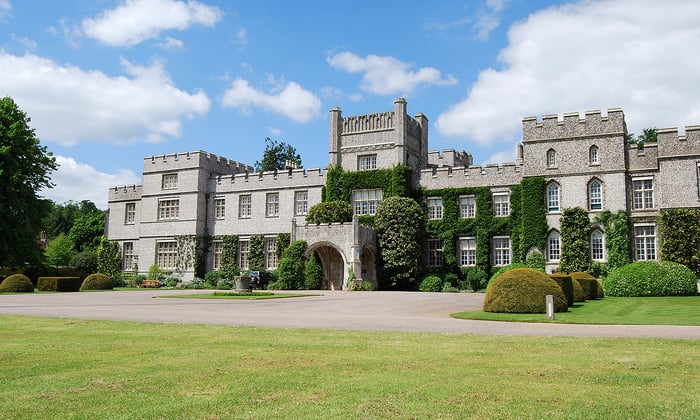
Explore and expand your work in a uniquely immersive environment with its own connections to art history. Our School of Arts students enjoy specialist studio spaces dedicated to painting and drawing, sculpture and tapestry and textile-based work as well as exceptional exhibition space.
Stories & news
Ceramics & Glass
15th April 2025
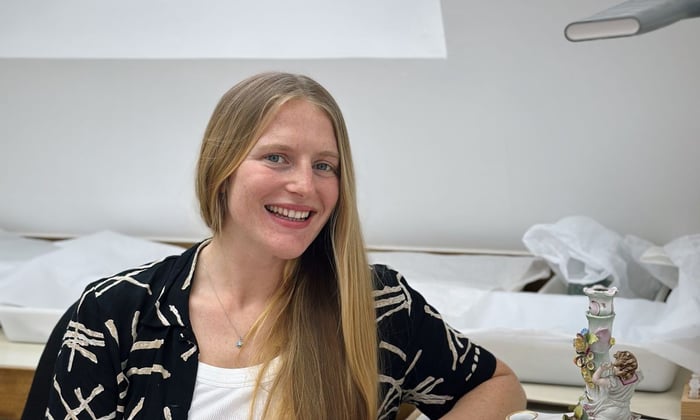
What is it like to be a Ceramic Conservation student
- Lotte Mitchell, GD Ceramics Conservation
Ceramics & Glass
18th August 2023
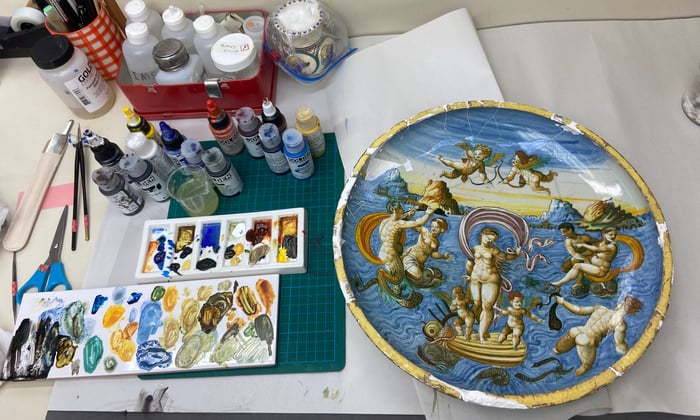
Completing the conservation of a 16th Century Maiolica Dish from The Russell-Cotes Museum
By Elizabeth Wells, MA Conservation Studies student, specialising in Ceramics and Related Materials
After complex decision-making surrounding the treatment of an incredible 16th Century Maiolica dish from The Russell-Cotes Museum, the journey from dull, broken ceramic to vibrant, finished object wasn’t quite over...
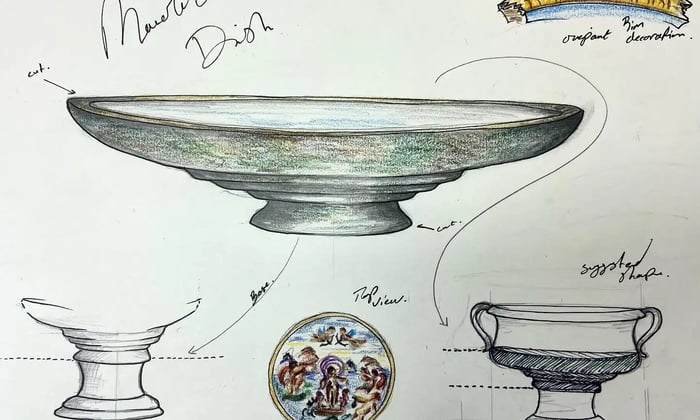
Ceramics & Glass
9th May 2023
Investigating what lies beneath a 16th Century Maiolica Dish from The Russell-Cotes Museum
By Elizabeth Wells, MA Conservation Studies student, specialising in Ceramics and Related Materials
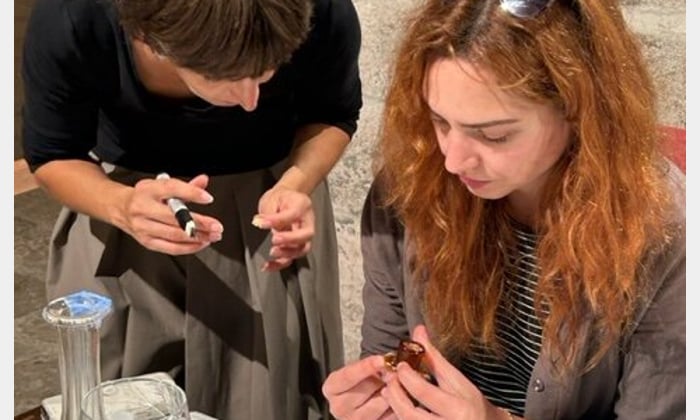
Ceramics & Glass
25th November 2022
Teaching glass conservation in Dubrovnik
Jasmina Vučković is Subject Tutor on the Ceramics and Related Materials pathway for the MA and Graduate Diploma Conservation Studies programmes. Since completing her MA in Conservation Studies at West Dean College in 2010, Jasmina has been working at the Sarah Peek Conservation studio in Brighton, and returned to West Dean College as Subject Tutor in 2018. Here, she talks about sharing her kn...
Ceramics & Glass
15th December 2021
Conservation of Italian maiolica armorial bowl from The Courtauld Collection
By Sujin Jung, Graduate Diploma Conservation Studies, specialising in Ceramics and Related Materials student In December 2019, we were delighted to be asked by The Courtauld Collection to treat a small two-handled Italian maiolica armorial bowl (inventory number O.1966.GP.246), made in the Marche region, probably in Pesaro or Castel Durante, around 1650-1700. Maiolica refers to tin-glazed...
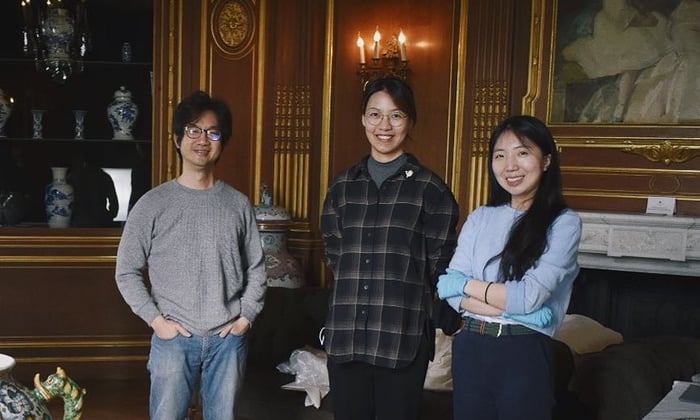
Ceramics & Glass
10th June 2021
When glass meets minimalism: Edward James and his Art Deco glass lamps
This blog was originally written by MA Conservation Studies students Rose Zhou, Sujin Jung, and Rick Li for the Corning Museum of Glass website. Rose, Sujin, and Rick undertook a five week work placement with The Corning Museum of Glass, working virtually with their Conservation Department to develop their understanding of glass conservation and what it means to be a conservator in a museum set...
Entry requirements
The diploma is open to beginners who have had relevant experience in making ceramics and are familiar with the terminology, or those with some experience who require a structured course. You must also have:
- Access to a home or community pottery studio and firing facilities, to develop your work between courses
- A commitment to attending all six units at West Dean College on the dates published for this enrolment, since it is not possible to offer alternative dates
- Apply with evidence of your current work, skills and interests in ceramics
Fees
April 2027 Tuition fee
UK Home students
- £1,965 (non-residential, covering all three units)
September 2027 Tuition fee
UK Home students
- £2,100 (non-residential, covering all three units)
Course fee includes clay/glaze materials supplied for use during each three-day unit held at the College, and the virtual interim tutorials. It will be anticipated that as you have access to firing facilities elsewhere, that you will take most of your work made on the courses home for firing.
Fees payable per academic year of study. We may routinely increase our course fees from year to year for one-year courses as well as courses lasting two or more years and may review and change such course fees without notice. Find out more about tuition fees and admissions.
Accommodation is available at an extra cost at our Sussex campus. Find out more about our accommodation options and costs.
How to apply
There is a selection process for this course. Students must complete and return the Application Form by the following dates:
- September 2026 entry - 10 July 2026
- April 2027 entry - 10 February 2027
An informal interview with the Programme Tutor will follow on the following dates before places are confirmed:
- September 2026 entry - 20 July 2026
- April 2027 entry - TBC
Following confirmation of your place, the FinanceTeam will contact you to arrange for payment of the course fees for the first year of study.
A specific condition of enrolment is a commitment to attend and pay for all six units, by the due date.
Ask a question
Need more information? Have a question? Speak to our course advisors
Email: [email protected]
Phone: +44 01243 818 300 and select option 1
Tutors
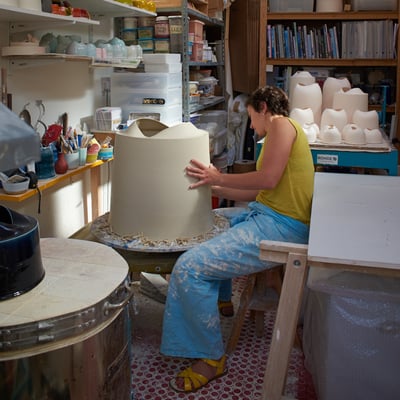
Tanya Gomez
Course Tutor - Foundation Diploma in Ceramics
Short Course Tutor
Tanya Gomez graduated from the Royal College of Art and is renowned for her vibrant large decorative vessels. She teaches from her studio in Lewes, East Sussex and exhibits throughout the UK and Internationally. Associated with the Craft Potters and Contemporary Applied Arts.
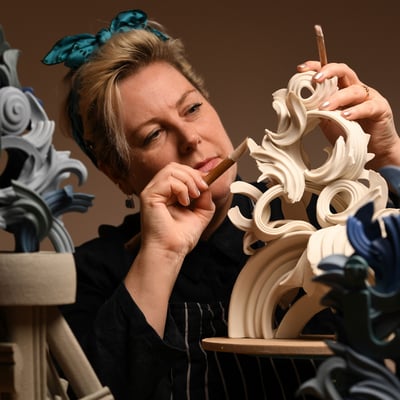
Jo Taylor
Course Tutor - Foundation Diploma in Ceramics
Jo studied at Bath Spa University gaining Ceramics BA, MA & teacher training qualifications. An experienced tutor, Jo regularly teaches from beginners to MA students. A member of the Royal British Society of Sculptors, her work is exhibited internationally in shows such as COLLECT at the Saatchi gallery.