Caroline Ross
Caroline has over 30 years’ teaching experience. She trained at Kingston University and Chelsea School of Art for her MA.
Ref: S4D38365
Exploring the world of natural mineral and earth pigments together, this class is suitable for all who wish to make lasting, beautiful, professional quality art materials which do not cost the Earth. After a colourful introduction to the world of permanent, (mineral, rather than botanical) natural pigments, our days will be spent in hands-on work with plenty of time for questions.
On the first day, you will create top quality pigments from a wide selection of earths, stones, soils and clays, ensuring you feel confident to successfully source your own materials in both rural and urban areas when you return home. You will cover all the processes to safely and easily make pigments fine enough for all professional uses.
On day two, you will make artists’ soft pastels for painting, and hard pastels (‘Conté’ style) for drawing. Once you have understood these two different methods, an infinite number of styles, sizes, hardnesses and gradations of fine pastels await you, exactly tailored to your own practice. You will be creating egg-based and vegan natural fixatives for use with pastel and charcoal to complete your new/ ancient art kit. Your pastels will dry out enough to take them home and you can try out the hundreds that I will bring.
On the third day, you will create a range of traditional egg and gum paints such as tempera, glair and watercolour, looking at their historical uses, as well as contemporary methods. You will also learn how to make simple vegan alternatives to egg paints.
By the end of the course, you will know how to make pigments, pastels and paints, often better than shop-bought alternatives, understand pigments, gauge their quality and lightfastness and go home with the beginnings of a unique art kit.
This course is part of our Materials week collection of courses focusing on pigments led by talented artist-tutors. Each course explores a different aspect of using pigments and how they are used in a variety of traditional and contemporary practices. Each tutor will be invited to give a short talk (10 minutes) about an aspect of their work relating to the theme of the week on Tuesday evening at 5.15pm. You will also be encouraged to visit other courses to see work produced across the varied approaches offered in the week.
View all courses in Pigment week
On this course the tutor will supply some of the materials, including:
Suggested, but not compulsory:
Available from shop:
Available from tutor:
Please wear appropriate clothing/aprons for the workshop or studio, this includes stout covered footwear (no sandals or open toes).
Arrival day - first date of course
Residential students can arrive from 4pm, non-residential students to arrive by 6.45pm for registration
Student welcome, followed by dinner: 6.45pm (dinner included)
Teaching session: 8pm-9pm (attendance is essential)
Daily timetable
Course teaching: 9.15am-5pm
Morning session: 9.15am-12.45pm including coffee/tea break
Lunch break: 12.45pm-2pm (lunch included)
Afternoon session: 2pm-5pm including coffee/tea break
Teaching finishes: 5pm
Evening working: students may have access to workshops until 9pm, but only with permission from the tutor and provided any health and safety guidelines are observed.
Departure day - last date of course
Course teaching: 9.15am-3pm (lunch included)
Teaching finishes: 3pm
Residential students will need to check out of rooms by 10am.
Please note, the tutor may make slight variations to the daily timetable as required.
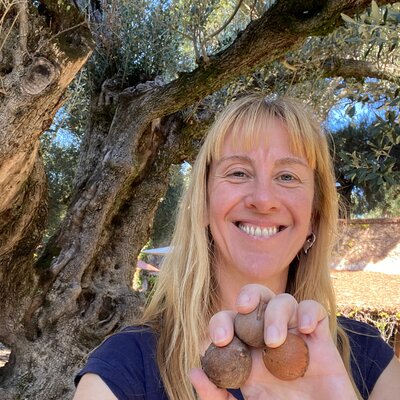
Caroline has over 30 years’ teaching experience. She trained at Kingston University and Chelsea School of Art for her MA.
Residential option available. Find out accommodation costs and how to book here.

Take the next step in your creative practice, with foundation level to Masters in Fine Art study.
Depending on your experience, start with an Online Foundation Certificate in Art and Design (one year, part-time), a Foundation Diploma in Art and Design made up of 10 short courses taken over two years (part-time) or advance your learning with our BA (Hons) Art and Contemporary Craft: Materials, Making, and Place (six years part-time). All will help you develop core skills, find direction in your practice and build an impressive portfolio in preparation for artist opportunities or higher-level study. See all degree and diploma courses.