Lucy Mayes
Lucy is a pigment maker, artist, and researcher with a background in fine art from the University of Oxford and the Royal College of Art.
Ref: D1D40392
This hands-on workshop invites you to bring 100 grams of raw plant material to explore its potential as a natural dye or pigment. Using a range of chemical modifiers, including alum, iron, vinegar and soda ash, you will extract colour from your plants and experiment with shifting hues through pH changes and mordant reactions.
The session begins with the creation of a dye solution from your chosen plant, followed by a structured, collective process where modifiers are applied step-by-step, revealing a spectrum of colour transformations across the group. Standard dye plants will also be provided in case any foraged materials yield limited results. Along the way, key plant-based colourants and pigment families will be introduced to help ground the experimentation in scientific and historical context.
The workshop emphasises local biodiversity, creative process and collaborative discovery, culminating in a shared swatch chart, showcasing the unique palette created by the group. You will leave with a practical method for creating botanical colourants, which can be applied to other plant materials for further experimentation. You will also receive a detailed guide to common natural dyes and recipes.
On this course the tutor will supply all of the materials, including:
Plant Materials:
Chemical Modifiers and Mordants:
Tools and Equipment (for use on the course):
Please wear appropriate clothing/aprons for the workshop or studio, this includes stout covered footwear (no sandals or open toes).
Student registration: 10.30am - 11am
Course teaching: 11am – 5.15pm
Morning session: 11am - 1pm
Lunch break: 1pm - 2pm (lunch is not included)
Afternoon session: 2pm - 5.15pm (15 minute break, 3.30pm–3.45pm)
Teaching finishes: 5.15pm
Short courses are open to anyone aged 18 and over. The course fee covers tuition and materials where stated. You will need to bring all other items listed under the Materials to bring section.
Coffee and tea are included in the course fee, but you will need to bring lunch with you to eat in the refreshments room. There are also plenty of other local venues to purchase food.
If you have any specific access needs, we will need to know about your access requirements in advance. Please tell us about your needs in confidence by emailing: [email protected] This venue has steps to the front reception, with limited access via a side gate to the ground floor. There is a small lift to higher floors or stairs.
Short course students are required to sign a safety compliance form as part of West Dean Health and Safety regulations.
Please refer to our terms & conditions below.
The information given is accurate at the time of publication. However, West Dean College reserves the right to cancel or amend courses if circumstances require.
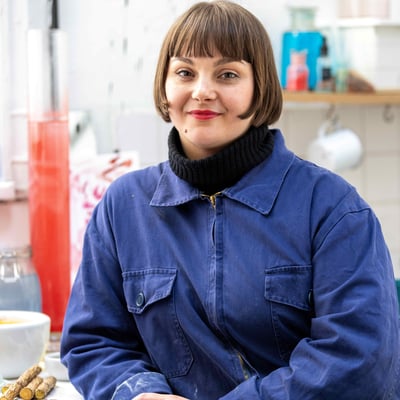
Lucy is a pigment maker, artist, and researcher with a background in fine art from the University of Oxford and the Royal College of Art.
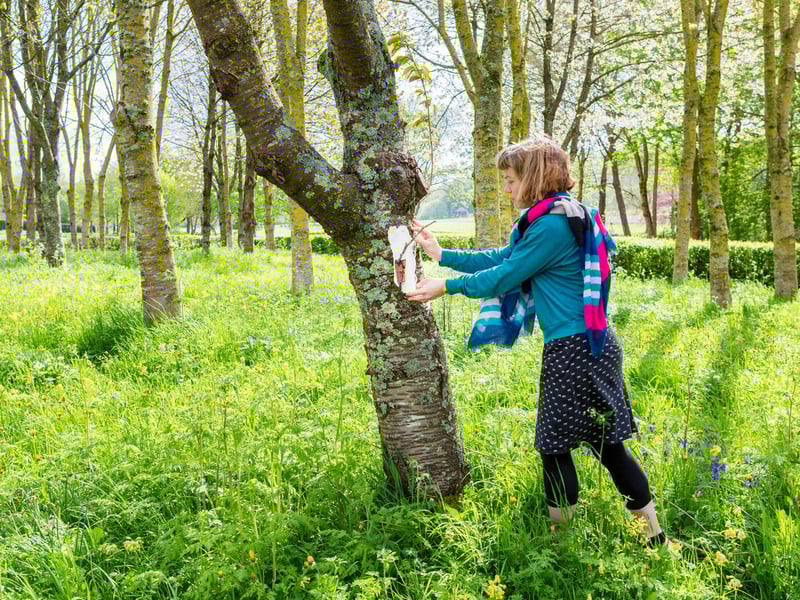
Take the next step in your creative practice, with foundation level to Masters in Fine Art study.
Depending on your experience, start with an Online Foundation Certificate in Art and Design (one year, part-time), a Foundation Diploma in Art and Design made up of 10 short courses taken over two years (part-time) or advance your learning with our BA (Hons) Art and Contemporary Craft: Materials, Making, and Place (six years part-time). All will help you develop core skills, find direction in your practice and build an impressive portfolio in preparation for artist opportunities or higher-level study. See all degree and diploma courses.