This introductory short course is aimed at emerging conservators, established conservators in need of a parchment refresher course or related heritage professionals keen to understand more about this familiar but challenging archive material. Through brief lectures, parctical exercises and group discusion, this course will include:
- A concise history of the use, production methods and conservation of parchment
- A practical investigation of the interaction of parchment with a range of media types
- The relationship between parchment and moisture and the impact of surface dirt
- Factors in the degradation of parchment
- Basic cleaning and repair methods
- Possible methods for housing and mounting
By the end of the day, you will have gained a deeper understanding on the way parchment was made and used, learned about how parchment degrades, created and repaired your own manuscript leaf and investigated a range of housing and mounting methods.
You will also benefit from the informal exchange of viewpoints and experience with other participants, and questions and debate are invited, alongside the lectures, demonstration and practice.
10.30 - Registration and coffee on arrival
11.00 - Introduction & welcome
11.15 - What is parchment?
11.25 - The history of parchment
11.50 - Making manuscripts
12.30 - Break
12.45 - Conservation choices 1
13.00 - Lunch (not included)
14.00 - Conservation choices 2
15.20 - Break
15.30 - Housing and storage options
16.45 - Discussion and questions
17.15 - End
Included
On this course, the tutor and College will supply most of the equipment and materials, including parchment, caecum, adhesives, inks and pigments, scalpel blades, brushes
What students need to bring
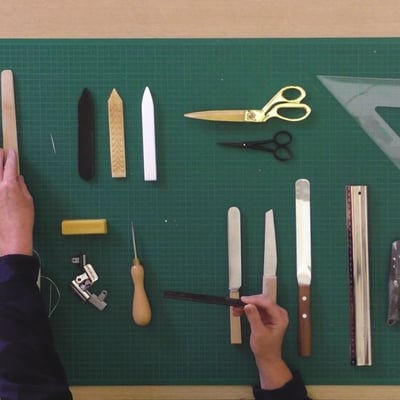
Basic hand tools to include:
- Small sharp scissors
- Pencil
- Steel ruler
- Tweezers
- Bone folder
- A round size 2 hog bristle brush (Jackson's Black Hog are excellent)
- A flat/filbert size 4 hog bristle brush
Additional information
Please wear appropriate clothing/aprons for the workshop or studio; this includes stout covered footwear (no sandals or open toes).
Student registration: 10.30am - 11am
Course teaching: 11am – 5.15pm
Morning session: 11am - 1pm
Lunch break: 1pm - 2pm (lunch is not included)
Afternoon session: 2pm - 5.15pm (15 minute break, 3.30pm–3.45pm)
Teaching finishes: 5.15pm