Maria Thomas
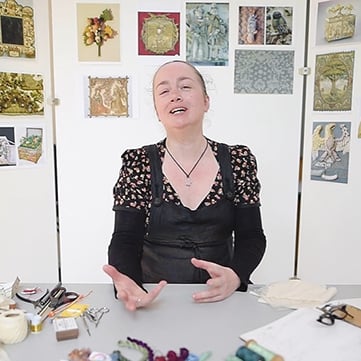
Teaching and making textiles for over 30 years, Maria has designed textiles for fashion and exhibited regularly.
Ref: D1D42048
In this course, you’ll get hands-on experience with traditional patchwork and quilting, exploring how these techniques can be combined with contemporary creative approaches. You’ll experiment with found and recycled materials, explore creative ways to combine fabrics, and design your own decorative quilted panel using appliqué and patchwork.
You’ll also look at examples of Indian appliqué and hand-stitching techniques and use these ideas to add detail and personality to your work.
The course encourages playful experimentation, allowing you to incorporate small found objects, recycled textiles, and collage elements into your designs. By the end of the workshop, you’ll have developed new skills in hand sewing, textile manipulation, and creative composition, leaving with a quilted panel or a set of samples and inspiration to continue exploring your own textile projects.
On this course the tutor will supply some of the materials including:
On this course the College will supply some of the materials including -sewing machines, fabric scissors, paper scissors & masking tape.
The tutor will also supply some material to buy on the day directly from her in cash.
Please wear appropriate clothing/aprons for the workshop or studio.
Student registration: 10am- 10.30am
Course teaching: 10.30am-4.30pm
Morning session: 10.30am-1pm
Lunch break: 1pm-2pm (lunch is not included)
Afternoon session: 2pm-4.30pm (optional 15 minute break)
Teaching finishes: 4.30pm
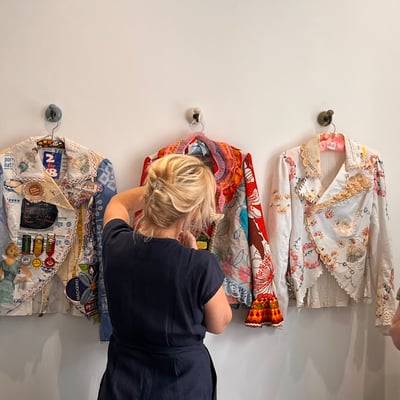
Teaching and making textiles for over 30 years, Maria has designed textiles for fashion and exhibited regularly.
Take the next step in your creative practice, with foundation level to Masters in Fine Art study.
Depending on your experience, start with an Online Foundation Certificate in Art and Design (one year, part-time), a Foundation Diploma in Art and Design made up of 10 short courses taken over two years (part-time) or advance your learning with our BA (Hons) Art and Contemporary Craft: Materials, Making, and Place (six years part-time). All will help you develop core skills, find direction in your practice and build an impressive portfolio in preparation for artist opportunities or higher-level study. See all degree and diploma courses.