Gelli-plate Printing: Imprint, Mask and Image Transfer with Jane Fox

Ref: D1D42053

Places available

About this course

\u8203?\u8203?On this one-day practical course, you will be introduced to gelatine printing plates as a vehicle for printing with 'found' materials, masking and image transfer techniques.\u8203?

Course Description

Gelatine printing plates have a sensitive surface that can be worked upon to make experimental monoprints on a variety of papers. It is a lovely medium for impromptu working and can be full of surprises! This one-day practical course will focus on the use of imprint, translucent colour and image transfer in a playful exploration of the medium.

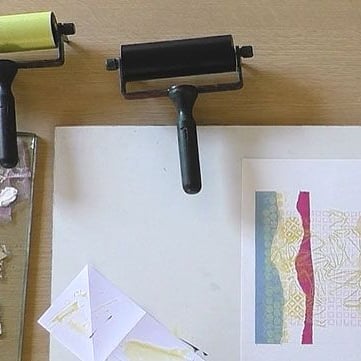
Using a combination of water-based acrylic paint and printmaking inks, you will be introduced to some of the different techniques that can be used to build a series of printed images using the gelli-plate surface:

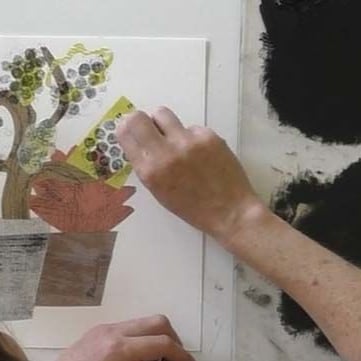
Using found materials: an inked-up gelli-plate can capture a good deal of textural information through imprinting ‘found’ materials that have interesting surfaces - pressed plant material or a torn piece of corrugated cardboard, for example, offers shape, texture and masking to the print.

Colour can be built up using translucent layers, in combination with imprints from found objects, and the use of impromptu masking techniques.

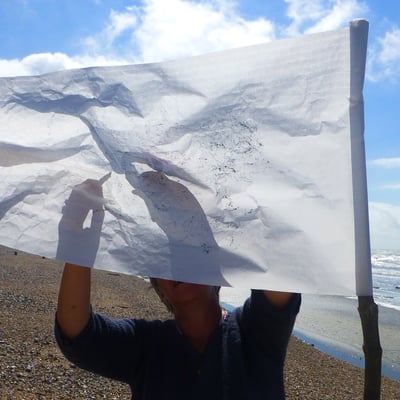
Drawn information using charcoal and frottage can be transferred into your prints.

Your tutor will give demonstrations of the various techniques, followed by short warm-up exercises before you go on to make your own test prints, building up a series as you develop your particular interests and ideas throughout the day.

Please feel free to bring your own ‘found’ materials for imprinting onto the plate (see ‘what students need to bring’ below) and wear old clothes as, although water-based, once dried the printing inks can be difficult to wash out.?

Course Materials

Included

??On this course the tutor will supply some of the found materials and specialist paper.

The College will supply most of the other materials, including printing paper, layout paper, charcoal, newsprint, a 1.5cm flat edged paintbrush, a pack of wipes and a water-soluble graphite stick per student and some inks, acrylic paints and mediums and cleaning materials to share amongst the group.?

What students need to bring

??Collected plant material that has interesting shapes and surfaces i.e. pressed leaves, pressed flowers, grasses, etc. A collection of ‘found’ materials with interesting shapes and surfaces that can be pressed into an inked-up gelli-plate to make an imprint: for example, corrugated cardboard, sandpaper, old coins, supermarket fruit nets, etc.?

Available to buy

A variety of art and craft materials are available from the Garden's Gatehouse Shop.

Additional information

Please wear appropriate clothing/aprons for the workshop or studio.

Timetable

Student registration: 10.30am - 11am
Course teaching: 11am – 5.15pm 
Morning session: 11am - 1pm
Lunch break: 1pm - 2pm (lunch is not included)
Afternoon session: 2pm - 5.15pm (15 minute break, 3.30pm–3.45pm)
Teaching finishes: 5.15pm  
 

General Information

Tutors

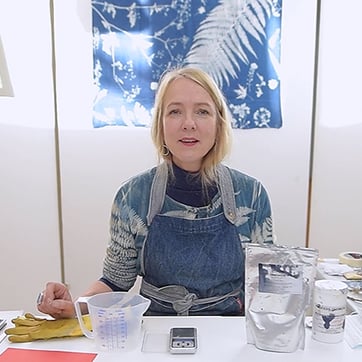
Jane Fox

Jane has an MA in Contemporary Visual Art from Falmouth College of Arts. An experienced facilitator, she has worked with Carnival Collective, Rocket Artists and Fine Art Printmaking students at the University of Brighton. Jane has exhibited in London, the Southeast and internationally and is a director at East Side Print, Brighton.

Courses of interest

Exploring cyanotype creatively on paper and fabric

Online
Buy course
Tutor: Zoe Burt |
Suitable for all
£47

Hybrid relief printmaking at home

Online
Buy course
Tutor: Mary Dalton |
Suitable for all
£47

Relief printing at home

Online
Buy course
Tutor: Mary Dalton |
Suitable for all
£47

Adventures in rust stain and screen print

23 to 28 Aug 2026 | West Dean
Places available
Tutors: Jane Fox | Jane Sampson |
Intermediate
£1,018
Further study options for art craft and design short courses

Further study options

Take the next step in your creative practice, with foundation level to Masters in Fine Art study. 

Depending on your experience, start with an Online Foundation Certificate in Art and Design (one year, part-time), a Foundation Diploma in Art and Design made up of 10 short courses taken over two years (part-time) or advance your learning with our BA (Hons) Art and Contemporary Craft: Materials, Making, and Place (six years part-time). All will help you develop core skills, find direction in your practice and build an impressive portfolio in preparation for artist opportunities or higher-level study. See all degree and diploma courses.