This course will outline the history and production of skin-based materials throughout the ages exploring different ‘types’ of leather and their material properties. We will look at methods of identification including species and tannage and explore various deterioration phenomena through presentation, examination, and analytical techniques.
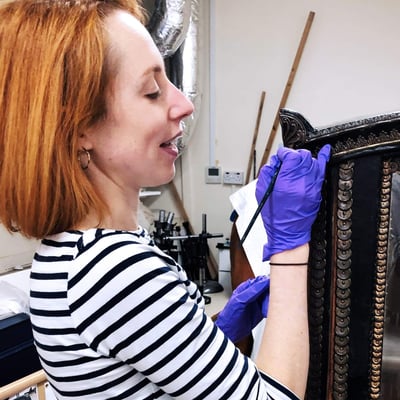
Principles of preventive conservation specific to leather and related materials will be presented, including health and safety concerns. This will be followed by practical sessions that are designed to provide an opportunity for conservators to test a range of techniques and materials which they may be able to utilise or adapt for future projects. Practical sessions include looking at cleaning materials and techniques, humidification, stabilisation, and the use of various adhesives and repair materials suitable for leather. Presentation of current discussions and techniques within the field, such as the use of new analytical methods and nanotechnology, will ensure students have an up-to-date understanding of the sector.
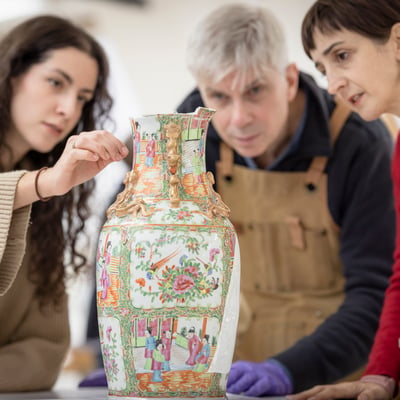
Using a wide range of examples, the course will provide an overview and basis for understanding leather conservation and developing an appropriate methodology for solving conservation problems, including interventive techniques and materials.