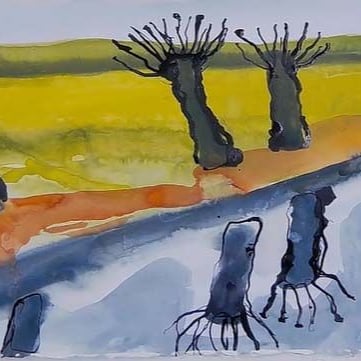
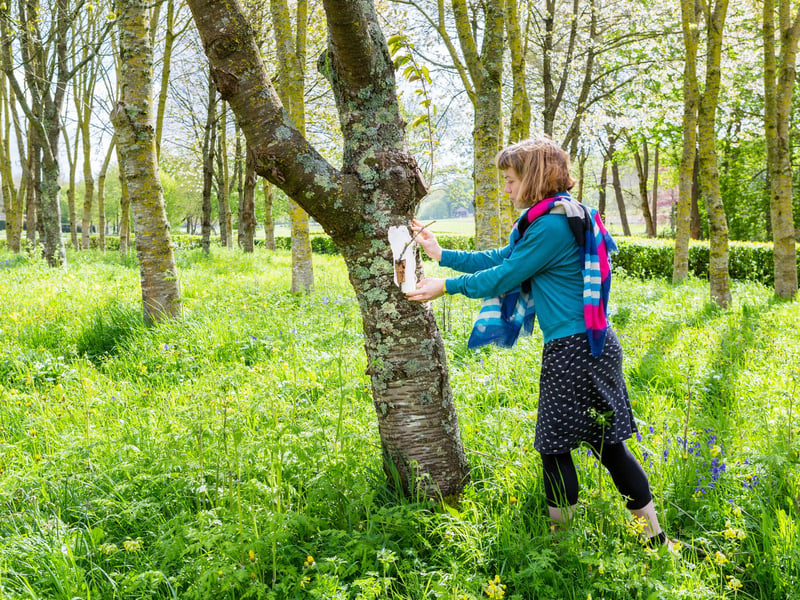
For many artists, the real subject of painting is light and colour. These two interlinked elements create the mood, space and form within a pictorial world. Mostly, this has been seen as a daytime practice, with the direct or ambient sunlight modelling highlights and shadows. However, there is an alternative nocturnal approach, which has fascinated artists such as Domenichino, Salvator Rosa, J M W Turner, Atkinson Grimshaw, Pierre Bonnard, Paul Nash and Paul Klee. For example, the lunar light of a full moon utterly transforms the usual perception of chromatics, and produces strange, unexpected relationships between tone and hues. Nocturnal light is obviously slight when compared to daytime lux levels but, as the pupils adjust, the imagination steps in to generate new sensations and interpretations, which radically liberate mark-making and colour sensibility.
During this course, you will explore working with the margins of daylight at dawn and dusk, as well as what it means to work in full darkness or by candlelight. There will be sessions reworking nightscapes from memory the following day. This is, in every way, an adventurous and experimental course that aims to produce extraordinary works of power and subtlety, ideal for people who want to find a new and unexpected side to their creativity.
You will be looking at specific aspects of colour theory, tonality and mark-making. The timetable for the course will be highly unusual, so it is unlikely that you will eat breakfast or dinner at routine times. There will be a rest period during each day to compensate for our extended sessions in the evenings and early mornings.
Please bring warm, wet weather clothes and boots/waterproof shoes, hat and fingerless gloves, as it is cold at this time of year.