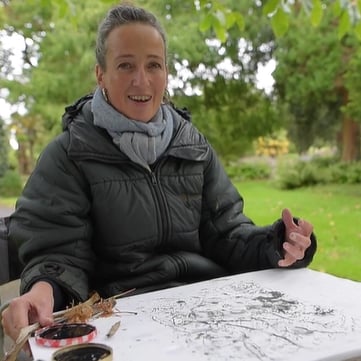
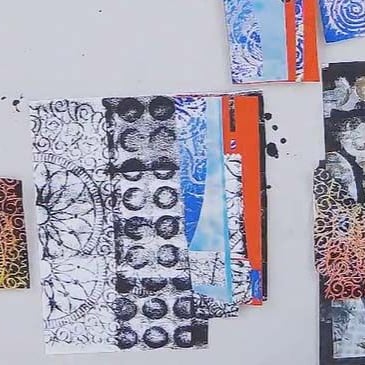
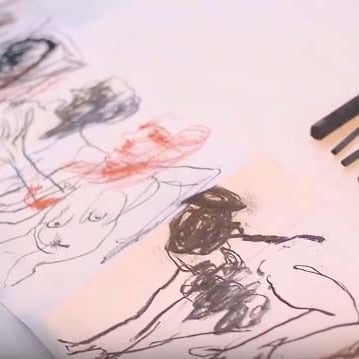
Inks are vibrant, transparent, mixable and extremely fluid pigments, ideal for experimental drawing using diverse tools.
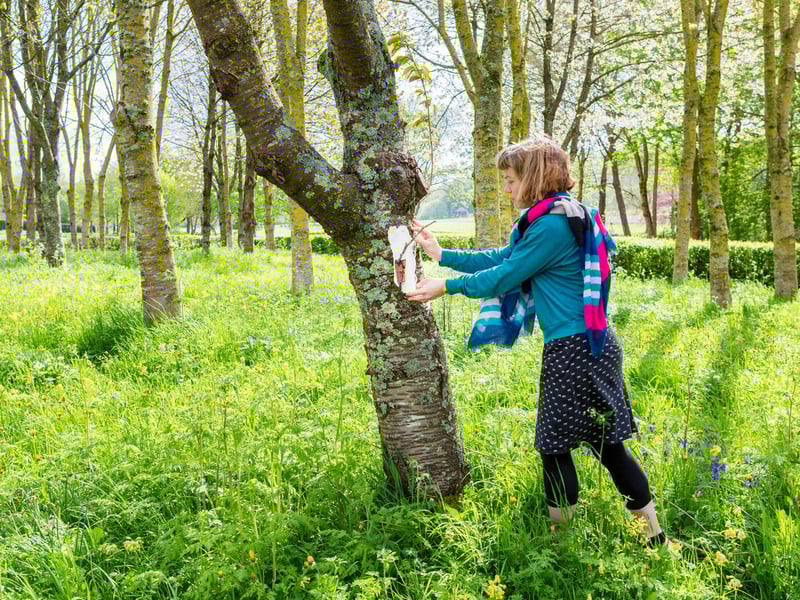
Learn how to use inks to interpret both light and water reflections. This often unheeded realm will enrich your visual experience by revealing unexpected and surprising discoveries as you notice more light and reflection in your everyday environment.
Explore a wide range of approaches to drawing with this versatile medium. Ink types include carbon, pigment, Sumi, Indian and Oriental stick inks, either waterbased or waterproof. You will also learn about ink from organic sources, such as walnuts and blackberries, which you can make at home. You will combine inks with other mediums, such as watercolour washes. You will experiment with a broad range of tools, including pens (fude, bamboo, dip, calligraphy), brushes and invented drawing implements. Through exploration, you will find the tools that suit your own style.
Demonstrations by your tutor will take you through a series of imaginative projects, introducing you to treatments of the two topics by different artists. You will explore working from your imagination and visual references, as well as direct observation in and around the College. There will be excursions to Bosham and Midhurst Pond. Your tutor will bring examples of her own work and sketchbooks to supplement your learning.
By the end of the course, you will have enjoyed playful and lively explorations of inks, revitalised your creative thinking, usefully extended your visual vocabulary and built your confidence to look for original solutions in unexpected places. You will also know how to make inks in your own home or studio.
Included
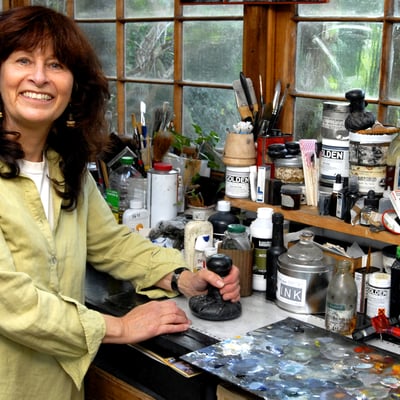
The course fee includes the cost of providing some materials to try out shared amongst the group including inks, brushes, pens, drawing implements, pencils, chinagraphs, tracing paper, masking and acid-free tape, glue, L-mounts and viewfinders, clear acetate.
What students need to bring
- Sketchbook (easiest for outdoor locations) or loose sheets of good-quality cartridge paper (minimum 160gsm) and watercolour paper (min 300 gsm)
- Any black and/or coloured inks and pens, plus special ink drawing tools (eg reed, bamboo pens) you already have
- Water-based paints/brushes of your choice to combine with inks if you wish
- Pencils, rubber, sharpener
- Any small water-tight containers you have for taking ink to outdoor locations
Available to buy
Available from shop:
- A good variety of art materials including: 160gsm cartridge paper, 300gsm watercolour paper and a wide selection of sketchbooks.
Additional information
Your tutor likes to have a chat with students on the telephone prior to the course. This gives her the opportunity to find out about any special interests or focus areas you have, to tell you a bit more about the course and to answer any questions you may have. Your email and phone number will be passed on to her. If you would prefer the tutor not to contact you, please let the Bookings office know.
Please wear appropriate clothing/aprons for the workshop or studio. This includes stout covered footwear, i.e. no open-toes or sandals.
Arrival day - first date of course
Residential students can arrive from 4pm, non-residential students to arrive by 6.45pm for registration
Student welcome, followed by dinner: 6.45pm (dinner included)
Teaching session: 8pm-9pm (attendance is essential)
Daily timetable
Course teaching: 9.15am-5pm
Morning session: 9.15am-12.45pm including coffee/tea break
Lunch break: 12.45pm-2pm (lunch included)
Afternoon session: 2pm-5pm including coffee/tea break
Teaching finishes: 5pm
Evening working: students may have access to workshops until 9pm, but only with permission from the tutor and provided any health and safety guidelines are observed.
Departure day - last date of course
Course teaching: 9.15am-3pm (lunch included)
Teaching finishes: 3pm
Residential students will need to check out of rooms by 10am.
Please note, the tutor may make slight variations to the daily timetable as required.