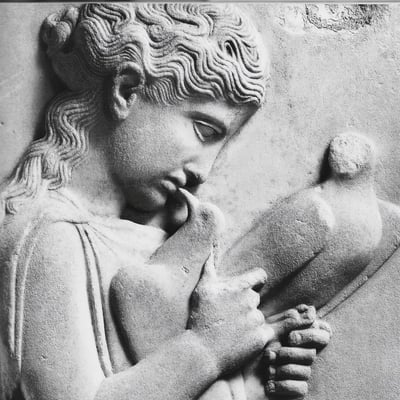
The Goddess a female deity. It is a broad and many layered subject, present in all cultures and religions. Throughout history the goddess symbolises life and death, fertility, motherhood, sexuality, creativity and domesticity, united with nature.
The course will look at the goddess in religion in pre-patriarchal societies in Neolithic Europe and from many other cultures. Lots of images to look at, books to peruse, ideas to discuss.
Stone is a wonderful versatile material, it comes in a variety of colours, textures and degrees of hardness. There is a rock to suit and challenge all abilities. This course is for beginners and those with some experience. The aim is to give the student time, the environment and knowledge to create and carve their own sculpture on the theme of the goddess.
The course will answer some of these questions.
- What rock is suitable for carving?
- How to carve comfortably and efficiently?
- What to carve?
- How to begin?
- What method ?
- Where do you find tools and stone?
The course starts with an introduction to the health and safety connected with stone carving.
To begin, a series of small sculptures will be made in clay. Quick simple forms to explore shapes in the round. This will help in the carving. Whether it is a series of smaller figurines or a larger single sculpture. There will be blocks of limestone and more natural rock shapes to choose from.
Instruction will be given through the stages from shaping to polishing. Using different tools to reduce the rock, make marks and change the shape. You will be sympathetic to the stone but be in command of your tools and become confident in your choice making.
Either come with some inspiration and ideas or wait until you see the stone and visual stimulus that your tutor and the West Dean environment provides. Stone can be purchased from the college but be prepared to adapt your ideas to the shape and type of stone available. Maltese Limestone comes in sawn rectangular blocks but others like alabaster and soapstone have one or more natural surfaces, also colour can play a part. Limestones are plain and neutral whereas soapstone can have strong markings. Teaching will be done by demonstrating techniques and methods to the group and through individual tuition. Digital or paper handouts will be given throughout the course.
The sculpture courtyard comprises of a well-equipped studio open on one side (though covers can be pulled down if it rains). It is situated a short walk from the main house, giving a lovely experience of the orchard and greenhouses on the way.
All tools and equipment are supplied to use during the course.
By the end of the course you will have obtained more skills and experience in carving a stone sculpture.