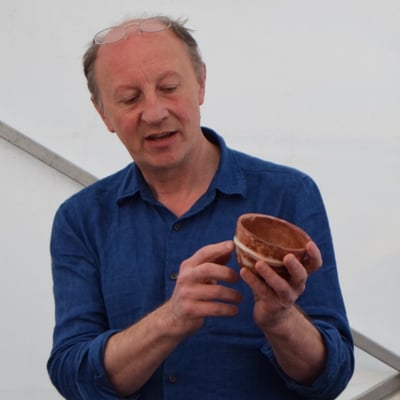
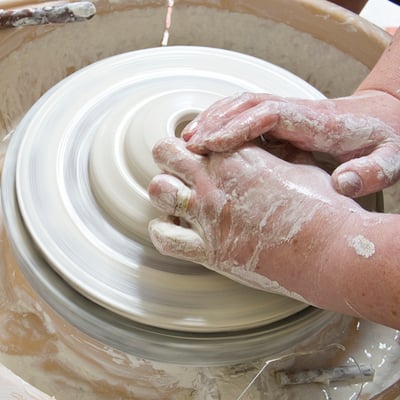
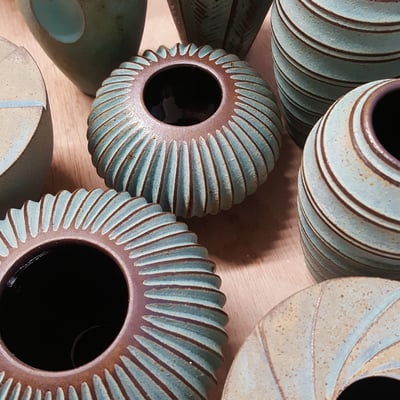
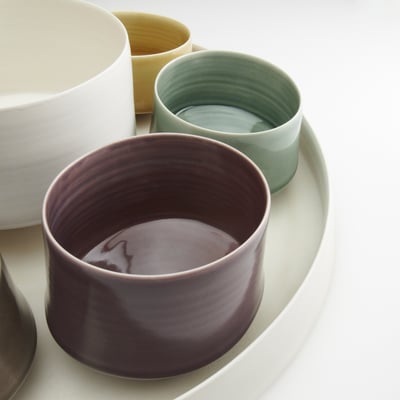
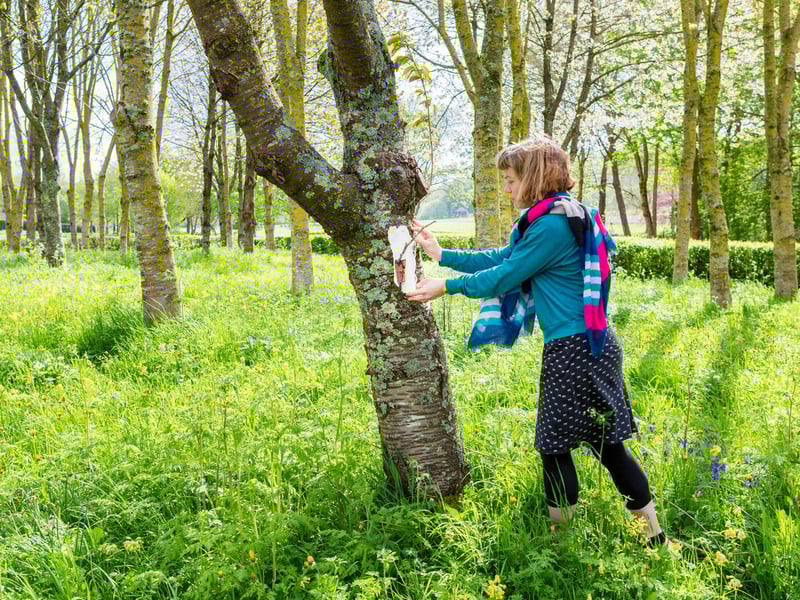
The first evening will be an informal session and introduction. The first full day will be spent making some small pieces of work (roughly 25cm x 20cm maximum) either thrown on a wheel or hand built, to suit your needs. The tutor will punctuate the day with demonstrations of some of his own throwing and making techniques. The second day will be spent finishing the throwing/making, turning - and various burnishing techniques will be used on pieces made on the course. Making will need to be completed by lunchtime on day three.
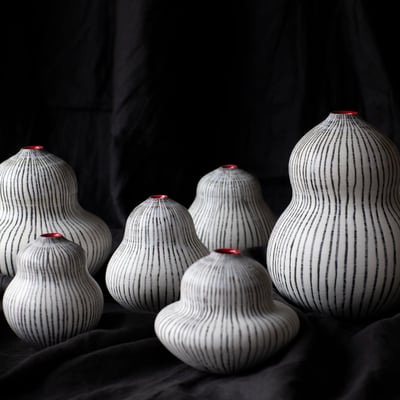
From the range of pieces you make, a maximum of five suitable pieces will be selected to be dried and bisque-fired in readiness for raku firing during the course. The tutor will provide an additional three pieces, already bisque-fired, with which you can experiment and you are encouraged, if possible, to bring a further three bisque-fired pieces (which makes a maximum of 11 pieces in all for firing). You will be tutored in several glazing techniques but the emphasis will be on Tim's resist slip firing method.
The second half of the course will be spent learning about the raku kiln, glazing, decorating and firing. The aim will be to gain an understanding of the various processes and how to use them creatively and safely. Firing techniques will be carefully explained and you will participate in several exciting and dynamic firings in two or three different raku kilns. Raku is by nature unpredictable it's what makes it exciting, but you should go home with a small number of finished pieces along with a greater understanding of the process, the pitfalls, and the triumphs.
Each section of the course will include a demonstration of the tutor's own methods as well as hands-on activity under guidance. Each stage of the process will be clearly described and some notes provided, along with glaze recipes etc. You are also encouraged to keep your own notes.
Everyone should leave the course with a basic understanding of the methods, having hopefully been enthused to pursue and develop their own work in a personal way. During the week there will be presentations aimed at broadening your experience of making and offering an insight into other makers' approaches.
PLEASE NOTE: Raku firing is a very physical activity, and all students are expected to help with this part of the process. Also the course takes place on two sites: the ceramics studio in the main building and the firing in the sculpture courtyard, a 10 minute walk across the gardens. It will involve walking back and forth to the raku site and standing around at the raku site. Alternatively you may drive your car around to the raku site, if you prefer, or walking a distance is an issue for you.