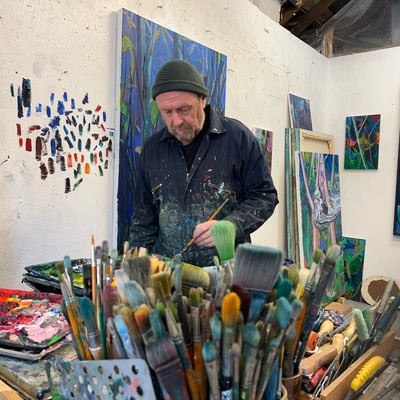
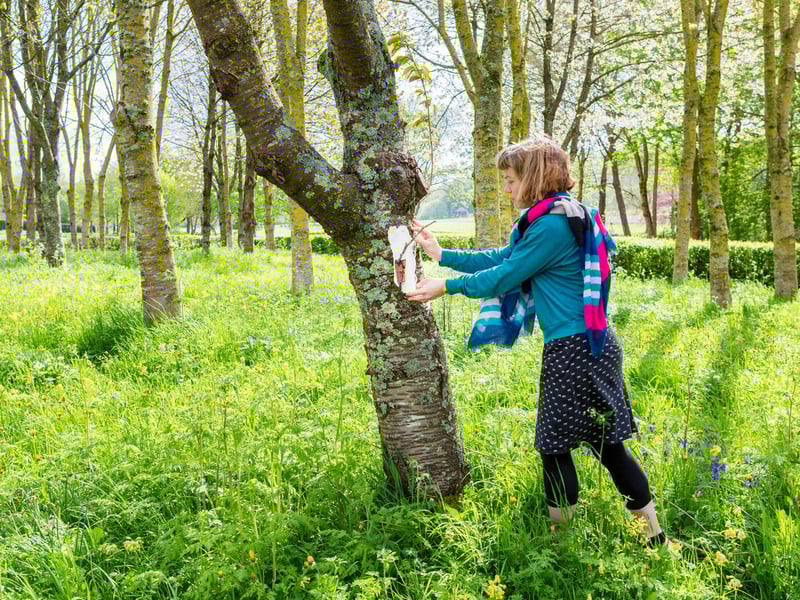
Work between direct plein air drawing and painting out in the College grounds and studio-based processes using a variety of collage and painting techniques.
You will be introduced to different ways of approaching working from nature, starting by looking at a range of artists and painting languages, with a discussion about the possibilities through the open approach you will be encouraged to take, out in the landscape the following day.
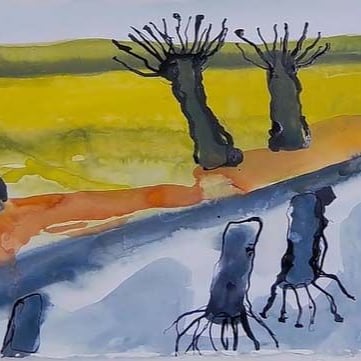
On the first day, you will be working predominantly from life, initially working in black and white only and finding interesting stimulus in the natural structures, light and shade around you, making multiple quick drawings in response. Using a variety of materials, including soft pencil, charcoal, thick acrylic and thin washes, as well as exploring experimental approaches to drawing and mark making, you will build up a library of resource material for the rest of the course. You will continue to work this way and start incorporating colour in the afternoon.
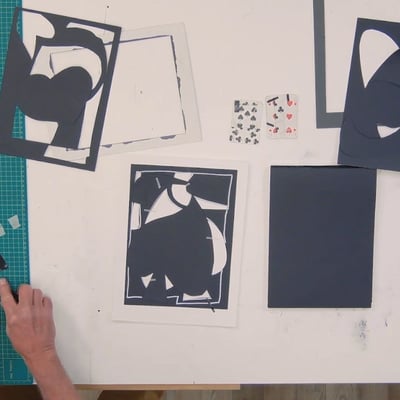
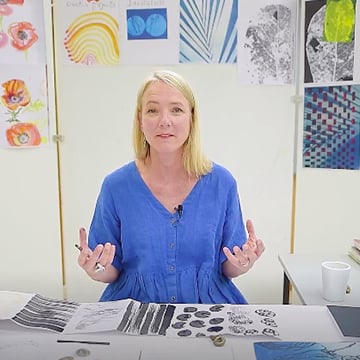
On the second day, you will start using the visual library you accumulated on the first day, as both direct material and as starting points for work to be made back in the studio. You will be introduced to collage, paint transfer and glazing and layering processes. You will be making a series of small scale quick collages, exploring a playful approach and the idea of thinking of them as visual poetry.
On the third day, you will carry through the aspects of the work made on the second day that seemed to most interest or excite you into making one or more large collage paintings. These can be black and white or colour, depending on the direction of your interests. There will be several practical demonstrations throughout the course.
By the end of the course, you will have investigated different approaches to experimental drawing from nature. You will have explored the potential of collage and painting glazing techniques for dynamic image making, and how space can be constructed in a two-dimensional artwork. You will have developed a better understanding of the spatial relationships of forms in relation to the picture plane as a visual language. Also, you will have learnt how an artwork can have its own internal visual logic.
Please bring weather appropriate clothing for the conditions forecast. There will also be a studio set-up of plants and foliage in case of poor weather conditions or for anyone for whom getting out into the grounds is difficult.