Latest News from Our West Dean Ranger: A summer round up 2025

Written by Maddy Crews – Estate Ranger


This summer at West Dean has been nothing short of extraordinary. From misty pre-dawn starts to late-night surveys under the stars, the estate has been alive with wildlife at every hour. Thanks to the incredible variety of habitats — and the way they’re cared for — I’ve had the privilege of witnessing a huge range of species, each making the most of this special place.
As West Dean’s Ranger, much of my spring and summer has been spent organising and coordinating surveys, supporting volunteers, and heading out myself to survey the estate. These have ranged from breeding bird counts and ground-nesting bird surveys (yes, some really do nest on the ground!) to bat surveys, mammal surveys, reptile surveys, habitat condition assessments, and flora studies. It’s hard work, but those long days and nights have been rewarded with some unforgettable wildlife moments.


The real magic often happens at dawn and dusk. These are the times when many species are at their most active, and when the estate seems to hum with life. Adapting to their rhythms has meant I’ve become a little nocturnal too — but it’s given me a rare chance to understand more deeply which species are here, how they use different habitats, and how we can keep improving the estate’s management for the future. Every survey, every early morning, and every late-night walk adds another piece to the
puzzle. And together, they help ensure that West Dean remains a haven for wildlife for years to come.


West Dean is a busy, working estate — home not only to the college and gardens, but also to over 2,000 acres of thriving forestry and woodland, and 11 farms with a mix of arable and livestock farming. Yet even with so much going on, there’s a real sense of care here. Everyone plays a part in making sure wildlife has the space it needs to flourish. I’ve seen this first hand during my surveys this year, and I’ve had some inspiring conversations with tenants, partner organisations, and stakeholders. What stood out most is the shared passion for West Dean — not just for what it is today, but for the thoughtful direction the estate is moving toward.
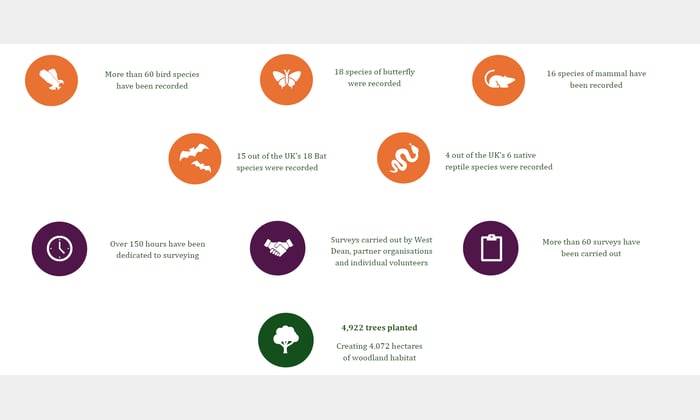
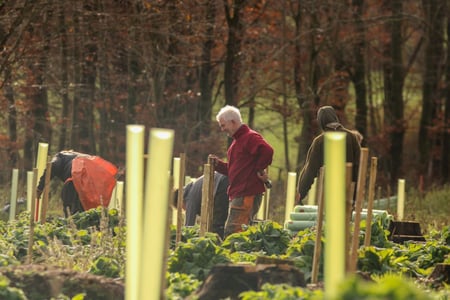
a snapshot of this year’s survey insights, highlighting key findings, the total number of surveys conducted, and our updated tree planting figures

Summer into autumn in the Countryside: Nature’s Final Flourish

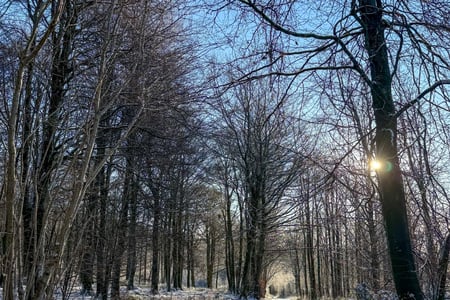
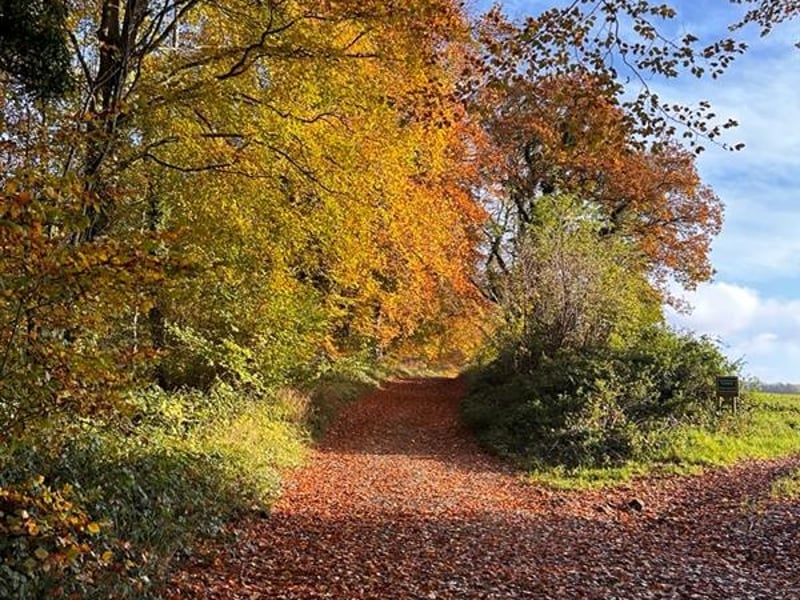
As summer gives way to autumn, the countryside changes noticeably. Days grow shorter, and sunlight softens into a warm, golden glow. Trees shed their summer greens for a spectacular palette of red, amber, and yellow, eventually releasing their leaves in crisp, dry layers that carpet the ground. In the fields, harvest time brings a flurry of activity. Crops are gathered, leaving behind stubbled earth where crows and rooks forage for the remaining bounty. The air turns cooler, carrying the earthy scents of soil, fallen leaves, and damp grass. Open fields lie bare beneath the autumn sky, while woodland paths glow with low sunlight illuminating
branches in orangey tones.

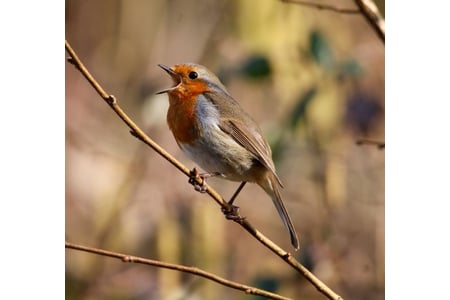
For wildlife, autumn is a season of preparation and abundance. Many creatures ready themselves for the months ahead, making the most of the rich resources the season provides. The countryside’s soundscape changes too: the full chorus of spring and summer birdsong quiets as migratory species head south. Resident birds—robins, blackbirds, tits, and woodpeckers—remain, busily feeding on berries and seeds. Listen closely, and their calls ring out clearly against the quieter backdrop.
A walk through the woods or along hedgerows reveals the ground strewn with acorns and nuts, a vital feast for squirrels, jays, and other woodland dwellers. Hedgehogs, one of autumn’s most endearing sights, can be seen rustling through leaves in search of a cozy hibernation spot beneath piles of foliage, logs, or hedgerows. While mostly nocturnal, they sometimes venture out just before dusk.
Autumn is also a time to notice the smaller, often-overlooked inhabitants of the countryside. Beetles and spiders are active in leaf llitter, under logs, and along tree trunks. Look closely, and you might spot late-season spider webs or beetles scuttling across the soil. Butterflies, including Red Admirals and Commas, still bask in sunny patches on fences, hedgerows, or flowers, lingering reminders of summer’s warmth.

Signs of Autumn Wildlife
Even if animals remain hidden, their presence leaves traces. Listen for rustling leaves, spot small holes or nests in hedgerows, notice tracks in muddy paths, and observe birds moving in flocks. These subtle hints reveal the quiet, busy life of autumn.

Autumn is a season of both endings and celebrations. It is a final flourish of colour, abundance, and wildlife activity before the hush of winter. Take a walk, open your senses, and you may be amazed at how much life thrives among the golden, leaf-strewn landscape.

The new section of the Centurion Way has opened!

The Centurion Way is an 11km (6.8 mile) cycling and walking path between Chichester, Lavant and West Dean. It follows the old, dismantled Chichester to Midhurst railway line, which was fully closed by 1991.

Following the previous upgrade in 2015 as part of a project led by the South Downs National Park Authority, work was undertaken to extend the Centurion Way by 5km (just over 3 miles) from West Dean to Cocking. West Dean is proud to be a partner in this project, led by the South Downs National Park Authority.

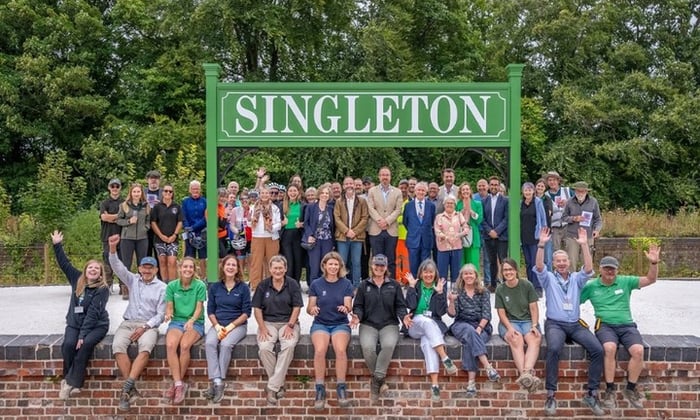
The newly constructed shared-use path is accessed via a new ramp and starts at West Dean Chalk Stone Halt, opposite the West Dean College entrance on the A286 and passes northwards through the former Singleton Station and terminates at the Milk Halt near to Cucumber Farm, Singleton. Significant safety and restoration works were undertaken at Singleton Station in partnership with the West Dean Estate to stabilize the former station platforms and adjacent structures to ensure the area is safe and can be enjoyed by the public. The restored station site and the extended path can also be accessed from Station Approach, opposite the West Dean Gardens entrance on the A286.


The Centurion Way passes Hat Hill Bridge Halt where there is a footpath connection to Singleton village for pedestrians only and terminates near to Cucumber Farm. At the Milk Halt terminus wheeled users need to turn round and return along Centurion Way to Singleton Station, as the extended path currently only connects with a footpath for pedestrians only to continue northwards. Please note, there is no public access through Cucumber Farm to the A286.


Read stories from the West Dean Collection and Archives, which showcase the role the local station played in connecting West Dean to the rest of the world throughout the years:

  • From 1896, special trains were laid on to take the Prince of Wales (later King Edward VII) from Victoria to Singleton for his visits to West Dean House. His hosts, William and Evelyn James, provided pheasant shooting and entertainments for the royal party and, from 1899, he stayed at West Dean to attend Goodwood. Another special train enabled the King of Spain to visit West Dean in November 1907.
  • On the 10th October 1907, William and Evelyn James returned to West Dean from Scotland on a special train with their new baby, Edward, the future patron of the arts and founder of West Dean College.
  • Economic factors forced the Chichester-Midhurst line to end passenger services in 1935, after only 54 years.

The new section of cycle track will allow visitors to pass through historic Singleton Station, giving them to opportunity to rediscover the station's extraordinary history its refurbished platforms and interpretation.

Pictured: Anna Gough-Yates (Chief Executive and Principal), Ian Graham (Director of Estate) and Maddy Crews (West Dean Ranger) pictured with South Downs National Park Authority, other partners and trail users at the official opening event.

Categories