Woodland management across the West Dean Estate

Written by Estate Ranger, Maddy Crews 

The woodland across West Dean is managed under continuous cover forestry (CCF), a nature-friendly and sustainable woodland management approach that brings a variety of benefits to our woodlands. It involves selectively thinning trees to create a diverse forest structure, thereby producing timber whilst retaining canopy cover.


  • Resilience - CCF helps to develop a multigenerational forest with a greater variety of species, leading to a more resilient forest ecosystem – creating ideal conditions for young trees to germinate and grow.
  • Timber production - A species rich forest is more resilient to threats from climate change, high winds and pests and diseases which helps protect our timber supply.
  • Biodiversity and Nature - CCF encourages mature trees, as well as an understory of mosses, flowering plants, shrubs, young trees and deadwood to provide places for plants, animals and fungi, all benefiting the forests ecol-ogy.
  • Ecosystem Services - CCF retains a canopy of large, mature trees which helps to trap airborne pollutants and protect forest soils, supporting the long term storage of carbon.
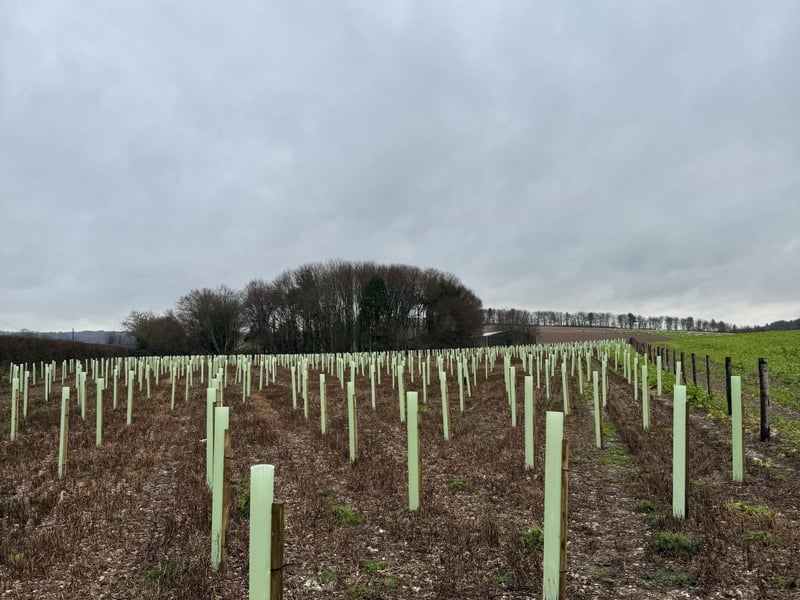
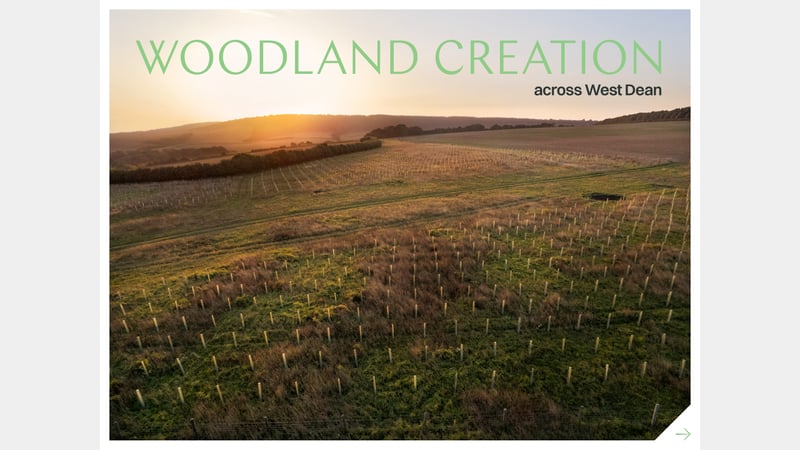
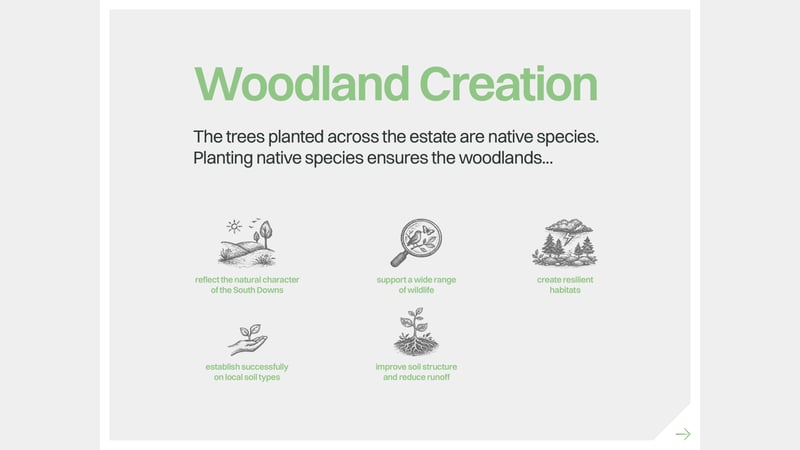
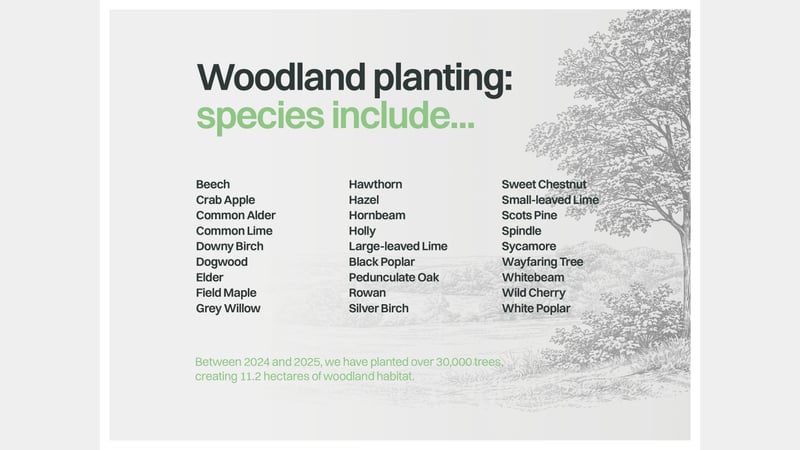
planting on west dean estate

Coppicing
Coppicing is an ancient system of woodland management. Trees are cut close to the ground on a regular cycle. They regrow from dormant buds at the base of the stump, known as the ‘stool’. This creates dense stands of multi-stemmed trees. The new stems grow back faster to provide a sustainable timber supply rather than har-vesting more mature, thicker branches.


Hazel, Sweet Chestnut, Willow, Field Maple and Sycamore are all hard wood species that can be coppiced.


At West Dean, we predominantly coppice Sweet Chestnut and Hazel on a 20 year cycle. Much of the timber we coppice is used on the estate for fencing materials, particularly fencing our new woodland planting areas.
A group of trees managed in a coppice rotation is called a ‘copse’ or ‘coppice’.


New planting 
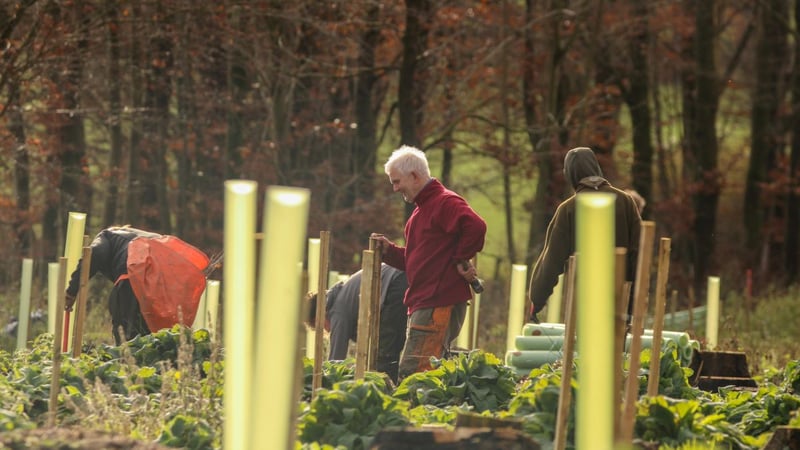
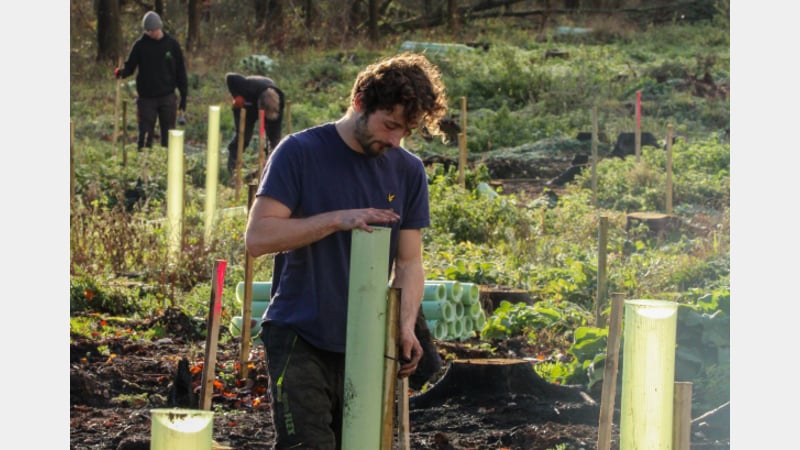
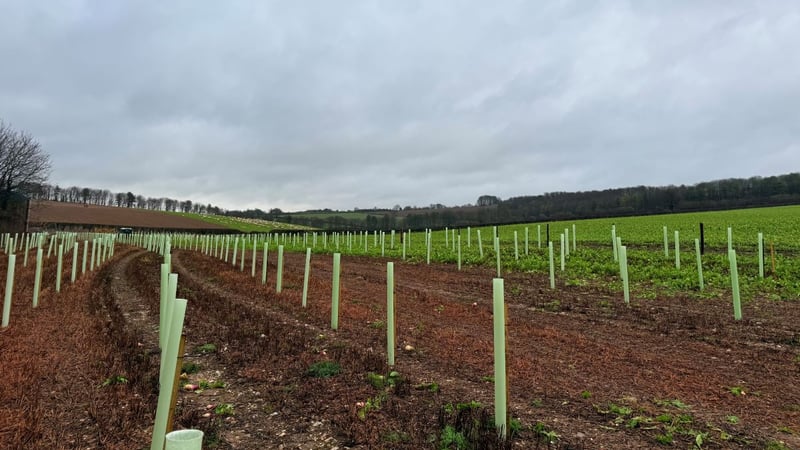
New planting is an important part of woodland management with the emphasis on connectivity between existing woodlands, there is an opportunity to create diverse woodland from scratch with a dual emphasis on high quality timber for the future and providing great habitat for many different species including local wildlife and summer visiting birds.


The woodland habitat also gives hibernation opportunities for species and a safe passage, for species like bats and insects.

Categories