Stepping into Spring, by West Dean Ranger

There is something quietly magical about spring at West Dean. After winter’s stillness, the landscape stirs, softly at first, then suddenly, until the estate is alive with colour, scent, and birdsong. Across the expansive 6,200 acres, nestled within the rolling landscape of the South Downs National Park, signs of spring reveal themselves in layers, inviting visitors to slow down and truly notice the natural world waking up.
A woodland floor painted in colour

tep into the woods and you’ll find spring unfolding beneath your feet. The forest floor becomes a living tapestry of primroses, lesser celandine, and delicate wood anemones, their white star-shaped flowers turning toward the sunlight.

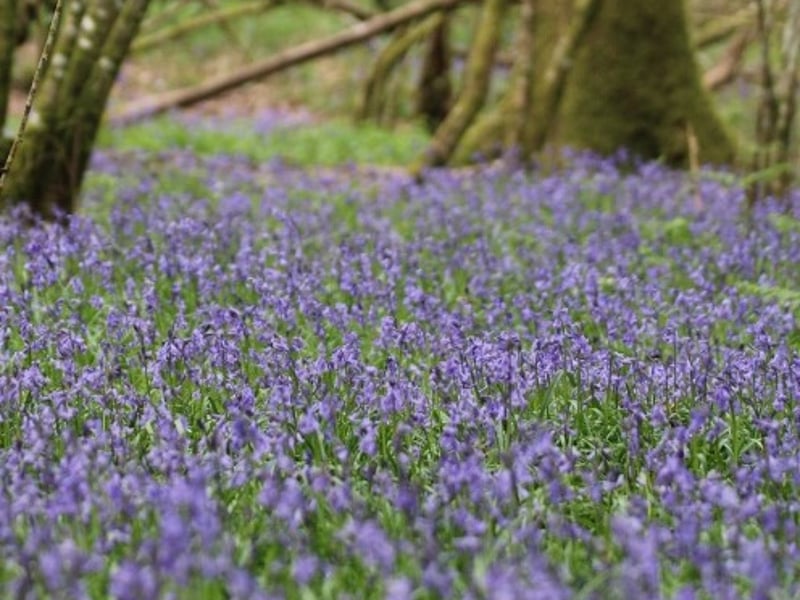
As the season progresses, native bluebells spread in sweeping drifts, transforming the woods into a sea of violet-blue hues, their gentle fragrance on the breeze. Look closer to see fern fronds unfurling and bright green shoots pushing through the remnants of winter leaf litter.

The unmistakable scent of wild garlic

Spring at West Dean is not only seen but smelled. In damp, shaded corners of woodland, wild garlic thrives, announcing its presence long before it comes into view. Its rich, unmistakable aroma fills the air, leading you into patches of vibrant green leaves and clusters of small white flowers. This ancient woodland indicator is more than a signal of spring. It also plays a vital role in supporting early season wildlife, offering a valuable food source at a time when resources are still scarce.

Budburst and the glow of new life

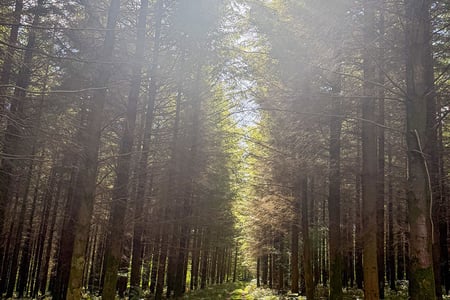
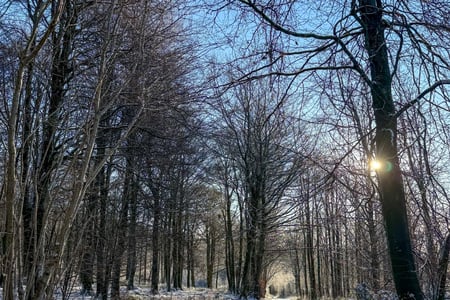
Above, the trees tell their own story of renewal. After months of dormancy, spring sunlight triggers budburst as tightly closed buds begin to open. Freshly unfurled leaves appear almost luminous in the soft spring light, their delicate lime green tones glowing against darker branches. For a fleeting moment, they seem almost translucent, an early promise of the full canopy to come. Powered by chlorophyll, these young leaves convert sunlight into energy, fuelling the season’s rapid growth.

Birdsong and the dawn chorus

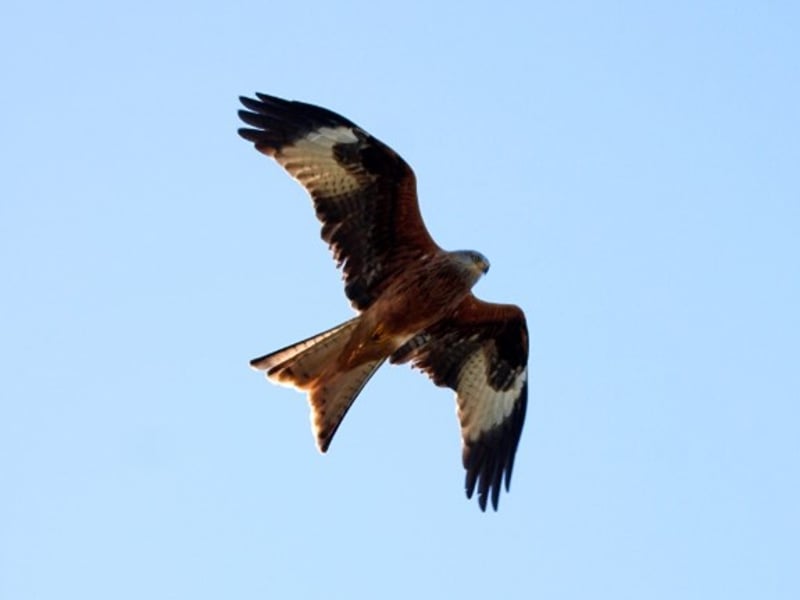
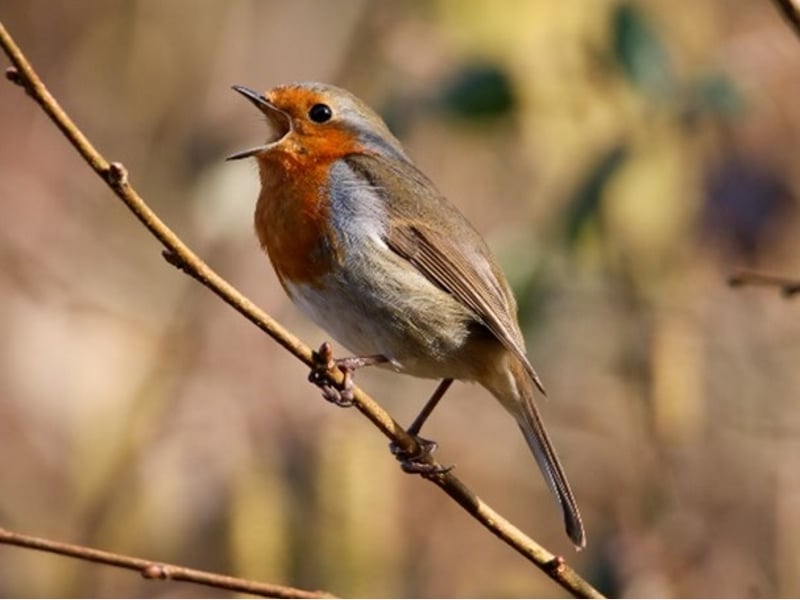
One of the most noticeable signs of spring is sound. Stand still beneath the trees and listen, the woodland canopy alive with birdsong. The rhythmic call of chiffchaffs rings out clearly, chiff chaff, chiff chaff. They are joined by blackcaps singing from thickets, while swallows and house martins sweep through open spaces in search of insects. Together, they build toward one of nature’s great performances, the dawn chorus. It peaks in May and is best experienced just before sunrise on a calm, clear morning. It is a celebration of territory, courtship, and the vitality of spring.

Wildlife returns to the landscape

As the landscape transforms, wildlife becomes more active. Bumblebee queens emerge from hibernation, while butterflies such as brimstones, peacocks, small tortoiseshells, and red admirals flutter through the woodland. Some of these have overwintered and are now taking advantage of the warmer days.

Migratory birds also return from their wintering grounds. Nightjars come back from sub-Saharan Africa, travelling roughly 3,500 miles, while tree pipits return from southern Europe and North Africa, covering around 2,000 to 3,000 miles. Their arrival adds new voices and activity to the estate as spring takes hold.

A season of new beginnings

At this time of year, birds are busy preparing to breed. You may see them collecting materials like moss, twigs, and feathers to build nests in trees and hedges. Courtship behaviour is common, including displays and paired flights across the landscape.

Spring at West Dean is a season of emergence and renewal, where every path, tree, and hedgerow offers a discovery. Whether it is the scent of wild garlic on the breeze, the shimmer of new leaves in the sunlight, or the chorus of birds greeting the day, the estate invites you to pause, look closer, and experience the quiet wonder of nature coming back to life.

Maddy Crews – Estate Ranger

Categories