Latest News from Our West Dean Ranger: Winter at West Dean
Written by Estate Ranger, Maddy Crews
Written by Estate Ranger, Maddy Crews
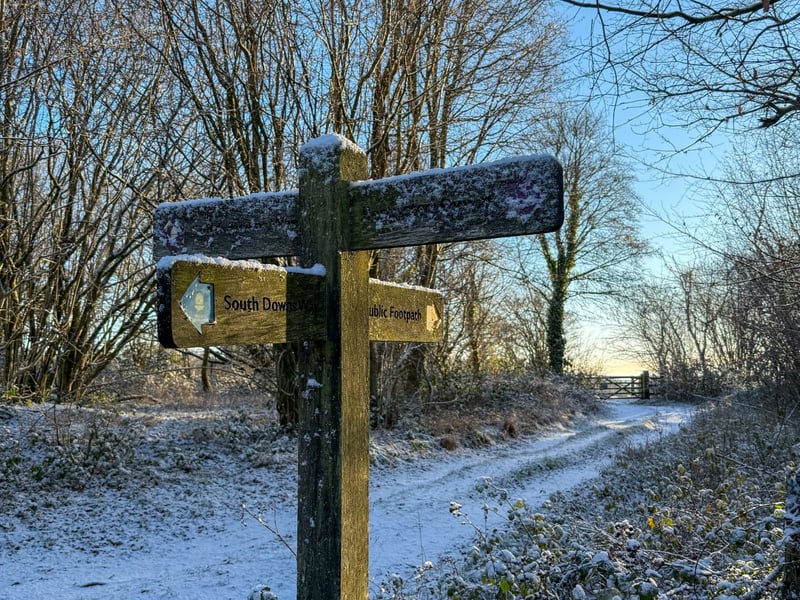
West Dean Estate sits within the heart of the South Downs, and winter brings a noticeable change across the landscape. Shorter days and colder temperatures give the estate a very different feel to the busy spring and summer months, but this season plays an important role for both wildlife and land management.
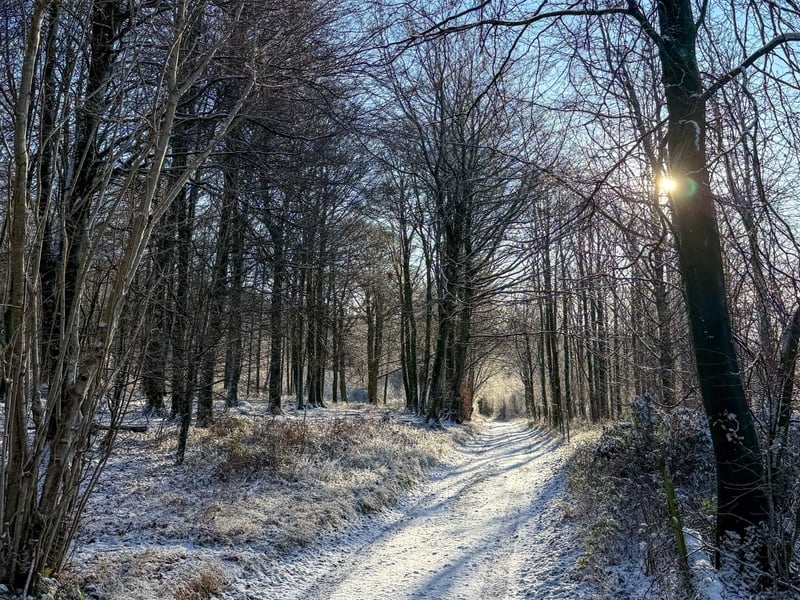
Across the estate’s mix of chalk grassland, woodland, farmland and hedgerows, winter reveals how these habitats link together. With leaves off the trees and vegetation reduced, it’s easier to see wildlife corridors and areas that provide shelter and food during the colder months. These features are especially important for species that remain active throughout winter.
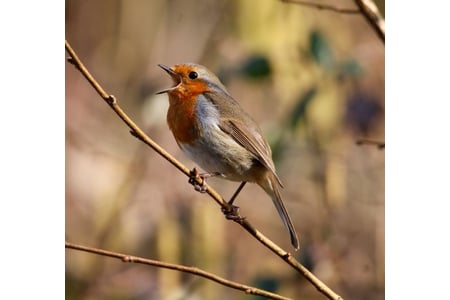
Bird life is still very much present at this time of year. Resident species such as robins, blackbirds, blue tits, great tits and woodpeckers can be seen around woodland edges and hedgerows. Over open farmland and downland, buzzards and kestrels regularly hunt, while winter visitors including fieldfares and redwings arrive to feed on berries and fallen fruit.
Mammals are more elusive but signs of them are often visible. Roe deer move between woodland and fields, particularly at dawn and dusk. Brown hares can be spotted on open ground, and fox tracks are often clear in muddy paths after wet weather.
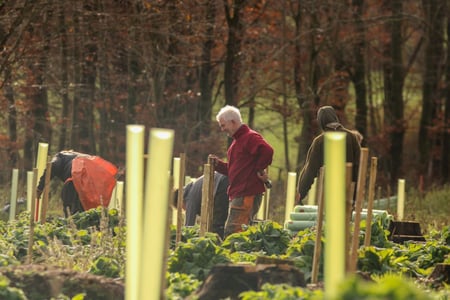
Winter is also a key working season on the estate. With most wildlife not breeding, it allows time for essential habitat management, woodland surveys and planning for the year ahead. This work helps ensure the estate is well prepared for spring, when activity across the landscape increases rapidly.
As the new year begins, there are early signs of change. Days slowly lengthen, bird song becomes more frequent, and the first snowdrops have started to appear in sheltered areas. These small changes mark the transition towards spring and the return of breeding wildlife across the estate.
West Dean Estate is a working landscape, but one where careful management supports wildlife alongside farming, forestry and public access. Winter provides a chance to reflect on the year gone by and prepare for the seasons ahead, ensuring the estate continues to support nature within the South Downs.
Did you know?
West Dean Estate spans 6,298 acres - that’s over 3,500 football pitches, each the size of Wembley Stadium’s pitch!