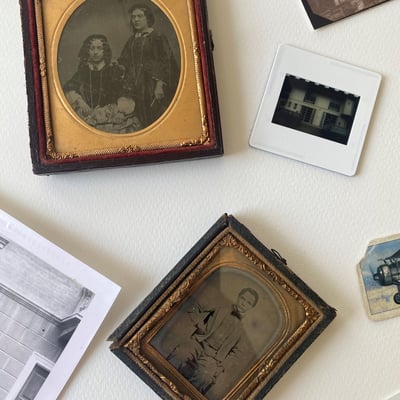
This course provides participants with systematic skills for identifying photographic processes from the 19th century to the present day. Combining a scientific layer structure approach with targeted spot-testing protocols, participants will develop reliable methods for distinguishing between processes that may appear visually similar. The course begins with an introduction to photographic chemistry and systematic examination techniques, including the spot-testing methodology for confident identification.
Day one focuses on historical processes including daguerreotypes, ambrotypes, tintypes, salted paper prints, and albumen photographs.
Day two covers 20th century and contemporary materials including silver gelatin prints, platinum/palladium, carbon prints, colour photography processes, and digital printing technologies.
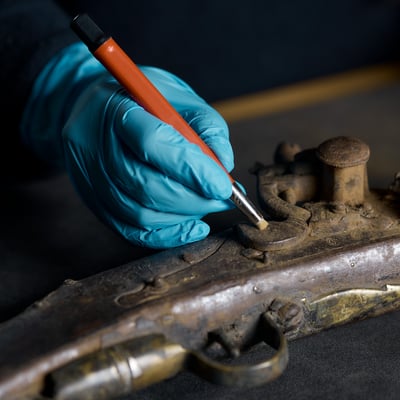
Extensive hands-on workshops utilise the instructor's comprehensive study collection alongside selected examples from West Dean's photographic archive. Participants will master examination techniques using magnification, specialised lighting, and systematic testing protocols whilst developing standardised documentation methods.
By the end of the course you will have learned: Confident identification of major photographic processes using systematic visual examination and spot-testing protocols. Application of the layer structure approach combined with targeted testing methods. Effective use of examination equipment and testing procedures. Systematic documentation using standardised protocols