This course can be taken as a standalone or as the second of a series of three courses about understanding photographic materials.
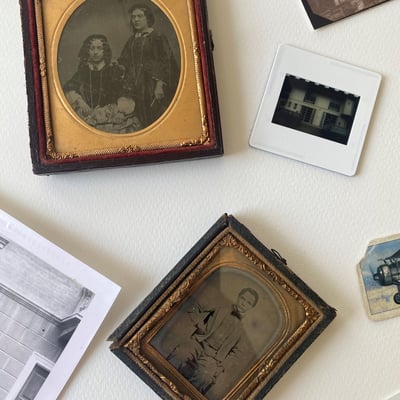
This practical course focuses on the scientific understanding of photographic deterioration and the development of systematic condition assessment skills. Participants will learn to recognise how different photographic processes fail, understand the underlying chemical and physical mechanisms, and develop professional approaches to documenting and prioritising conservation needs.
Day one covers deterioration mechanisms affecting photographic materials, examining how chemical and physical processes damage different types of photographs. Special attention is given to process-specific vulnerabilities, the distinction between support and image deterioration, and environmental factors affecting stability. The afternoon session focuses on film-based materials including the critical identification of hazardous nitrate film, acetate deterioration, and colour materials stability issues.
Day two provides systematic methodologies for condition assessment, teaching participants to recognise active versus inactive deterioration and develop risk-based approaches to conservation prioritisation. The substantial hands-on workshop uses both the instructor's study collection and examples from West Dean's archive to practice assessment techniques, develop standardised documentation, and master condition mapping approaches.
By the end of the course you will have learned:
- Understanding of deterioration mechanisms specific to different photographic processes
- Systematic and accurate condition assessment methodologies
- Recognition of active versus inactive deterioration patterns
- Risk-based prioritisation of conservation interventions
- Professional documentation and condition mapping techniques
This course is suitable for:
Intermediate to advanced - ideal for conservation students, collection managers, and heritage professionals. Basic understanding of photographic materials helpful. Course 1 (Process Identification) recommended but not essential. Suitable for those responsible for photographic collections.