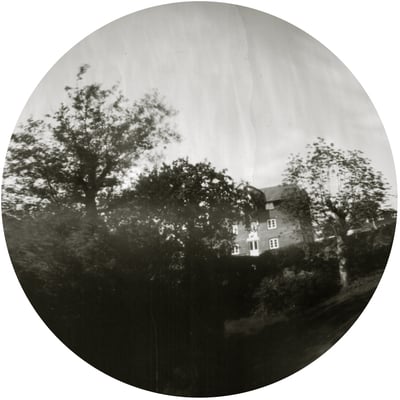
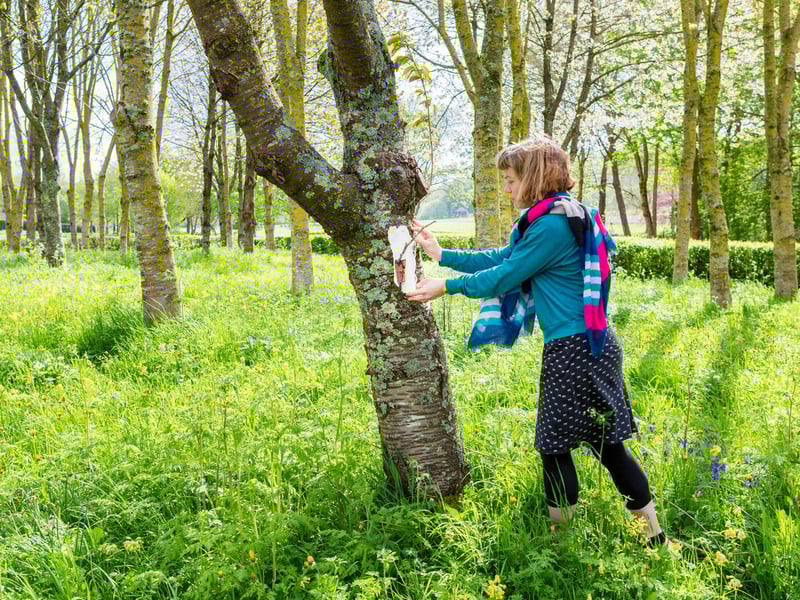
Vintage Cameras and Paper Negatives with Peter Renn

Ref: SWE41750

Places available

About this course

Use old analogue cameras to make both negatives and prints using a variety of different methods. Cameras will be provided but if you have any vintage cameras of your own please bring them along.

Course Description

This course is designed for anyone interested in using old cameras to make ‘non-digital’ negatives and prints. Whether you have a vintage camera already or not, you will learn how to use a wide variety of models to make pictures, both with and without a darkroom. 
 
From the humble 'Box Brownie’ to large nineteenth century plate cameras, a folding Kodak or a 1980s SLR, almost anything, working or not(!) can still be used.  

Aims: To explore ways of using film-based cameras to make photographs using paper and other materials.

Objectives: To achieve a sound knowledge of the workings of analogue cameras, exposure control, processing chemicals and darkroom practice, contact printing, lumen images and historic techniques.  

Outcomes: On completion, each student should be proficient and confident in using a range of analogue camera types, mixing and using print chemicals and able to make direct paper negatives and prints. They should also be confident and ready to progress to using film in the future if they wish.

On the first evening there will be an introductory talk, plus discussion of the historical context, the potential for experiment and development and individual expectations.

On the first full day we will cover:
Camera types
Assessing condition, repairs, repurposing and possible modifications
Exposure measurement and control
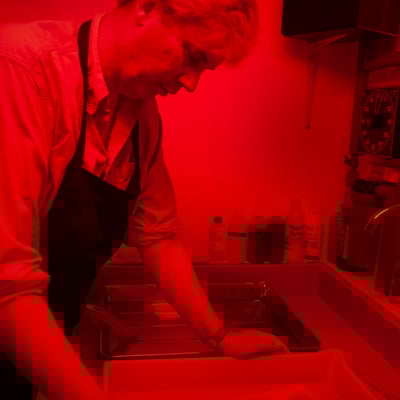
Using silver bromide darkroom papers to make negatives and positive prints

On the second day we will cover:
Contact printing
Lumen images
Historic processes
Specialist / experimental camera designs and builds.

Students should bring their own cameras, plus tripods, film holders etc. if they have them. – Don’t worry if your camera is broken or damaged! - We can often make them work well with paper. There will also be plenty of cameras of all types for you to use.
 

Course Materials

Included

On this course the tutor will supply all of the materials including papers, chemicals, cameras and equipment.

What students need to bring

Any old cameras, any format from 35mm upwards (‘Box Brownie’ types are ideal!) if you have them.  If not, don’t worry -  there will be a wide variety of cameras provided for you to use.

Available to buy

A good variety of art and craft materials are available in the Gardens Gatehouse Shop.

Additional information

Please wear appropriate clothing/aprons for the workshop or studio, this includes stout covered footwear (no sandals or open toes).

Timetable

Arrival day - first date of course
Residential students can arrive from 4pm, non-residential students to arrive by 6.45pm for registration  
Student welcome, followed by dinner: 6.45pm (dinner included)
Teaching session: 8pm-9pm (attendance is essential)

Daily timetable
Course teaching: 9.15am-5pm  
Morning session: 9.15am-12.45pm including coffee/tea break  
Lunch break: 12.45pm-2pm (lunch included)  
Afternoon session: 2pm-5pm including coffee/tea break  
Teaching finishes: 5pm    
Evening working: students may have access to workshops until 9pm, but only with permission from the tutor and provided any health and safety guidelines are observed.

Departure day - last date of course
Course teaching: 9.15am-3pm (lunch included)  
Teaching finishes: 3pm  

Residential students will need to check out of rooms by 10am.
Please note, the tutor may make slight variations to the daily timetable as required.

General Information

Tutors

Peter Renn

Long established as a photographer, printmaker and educator, Peter Renn has been working in photography since the late 1980s. He has made editorial, fashion and advertising work for clients nationally and internationally. He has also taught all ages and abilities including smaller groups such as photography societies and private clients.  With specialist expertise in large format, film and darkroom-based work he is particularly interested in historic processes and alternative/experimental forms of image making.

Accommodation

Residential option available. Find out accommodation costs and how to book here.

Courses of interest

Wet-plate collodion photography

20 to 23 Aug 2026 | West Dean
Places available
Tutor: Peter Renn |
Intermediate/Advanced
£720

Smart Phone Photography

24 Oct 2026 | West Dean
Places available
Tutor: Roy Matthews |
Beginners/Intermediate
£191
Further study options for art craft and design short courses

Further study options

Take the next step in your creative practice, with foundation level to Masters in Fine Art study. 

Depending on your experience, start with an Online Foundation Certificate in Art and Design (one year, part-time), a Foundation Diploma in Art and Design made up of 10 short courses taken over two years (part-time) or advance your learning with our BA (Hons) Art and Contemporary Craft: Materials, Making, and Place (six years part-time). All will help you develop core skills, find direction in your practice and build an impressive portfolio in preparation for artist opportunities or higher-level study. See all degree and diploma courses.