What fascinates me most about horology is that clocks are much more than machines for measuring time. They contain history, craftsmanship, engineering, design, and human stories all at once.
Growing up in Japan, I became especially interested in the differences between traditional Japanese clocks and Western horology. That curiosity eventually led me to Britain, where I wanted to study English clockmaking traditions more deeply.
I also love the balance between technical precision and creativity in horology. Even after hundreds of years, these mechanisms can still move people emotionally, which I think is something very special.
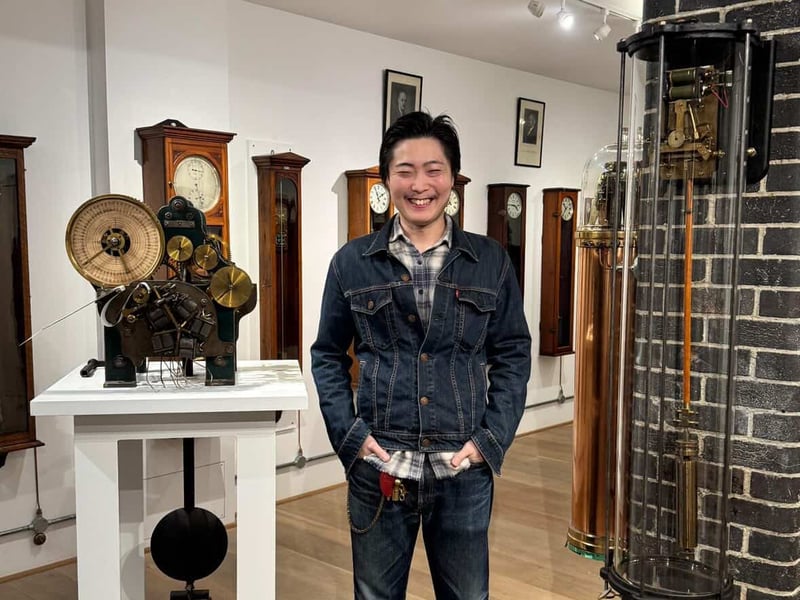
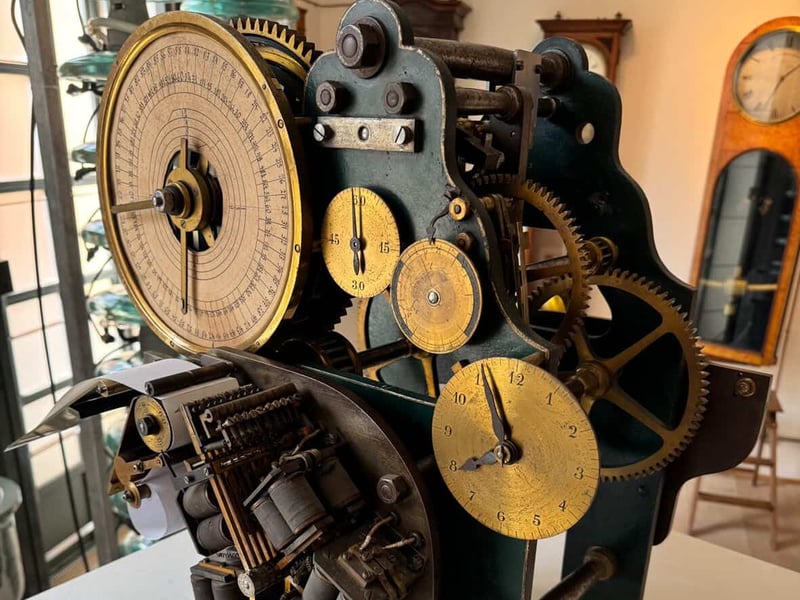
One recent project I worked on was the Normalzeit controlling clock system at The Clockworks Museum. It was particularly challenging because it combined mechanical, electrical, and exhibition-related problems all in one object.
A large part of the project involved testing, adjustment, and developing solutions that would allow the clock to operate reliably for visitors while still respecting its historic character.
I found the project both demanding and rewarding. Conservation work often requires patience and flexibility because unexpected problems appear constantly, but seeing the clock finally running successfully in a museum setting made the entire process worthwhile.
At college, you are learning in an environment where experimentation is encouraged, but in professional conservation work you are dealing with irreplaceable historic objects and real public or client expectations.
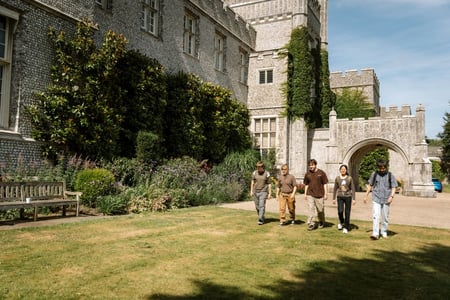
There were also difficult periods along the way, including the pandemic and the challenges of studying abroad while improving my English. However, after completing my studies at West Dean and continuing into professional work in the UK, I feel a great sense of gratitude and confidence in having achieved my dream of becoming a clockmaker in Britain.
Working at The Clockworks Museum and later at Harris Horology helped me understand how conservation principles apply in real-world situations, where practicality, historical sensitivity, and reliability all need to be balanced together.
One of the biggest lessons I have learned is that conservation is rarely about finding a perfect answer. It is about making thoughtful decisions with respect for both the object and its history.