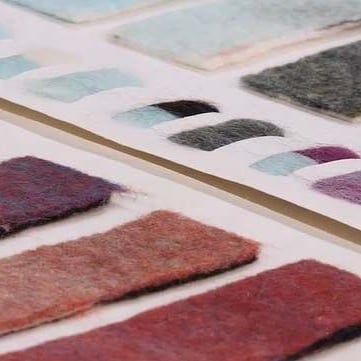
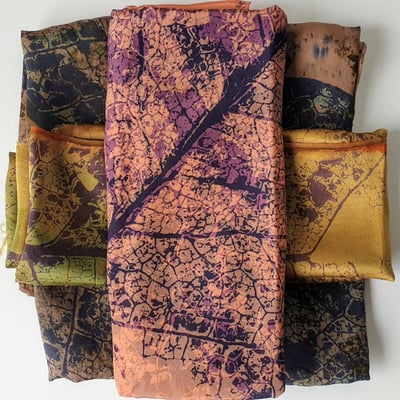
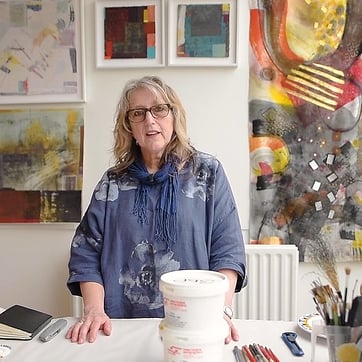
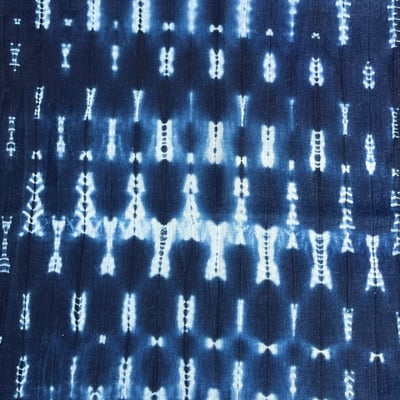
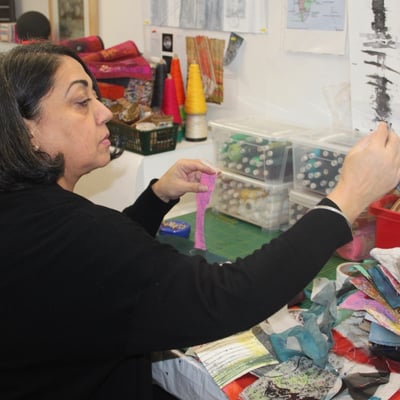
This workshop explores an experimental approach to monotypes onto fabric. You will cover various monotype techniques using additive and subtractive methods, such as painted and drawn using a fabric binder and pigments. The aim is to create a set of prints that explore colour, mark-making, patterns, texture and overprinting.
These fabrics will be cut, bonded and appliquéd to produce layered prints. To build further layers of imagery and text on the fabric, you will add mark-making, asemic writing and collage. Using different types of transparent fabrics, you will play with adding, subtracting and obscuring layers. The final layer will be hand stitching, you will be encouraged to use hand stitching in a dimensional and/or decorative manner to build up complex layers that compose a larger narrative.
The emphasis will be on creating a set of experimental and expressive samples that explore a range of ideas rather than producing a resolved piece. Personal research (sketchbooks, photographs, text or objects ) will inspire these textile experiments. Consider using a theme that excites and inspires you and will keep you engaged throughout the course.
The development of your ideas will be supported through individual tutorials. To help identify your pathways and the possible future directions you could take. This course is suitable both for students with basic skills and intermediate students who wish to develop a personal visual language.
Included
Polypropylene sheet/plastic printing sheets, textile printing pigments and binder
What students need to bring
- Mark making tools; ends of paintbrushes, old pens, empty thread cones, empty sellotape roll, wire wool, knives, forks, credit card, spatulas... anything!
- A selection of paint brushes
- A hard printing roller and a foam/sponge roller (if you have them)
- A selection of white medium weight fabric, you will need around 2 or 3 meters - this can be a mix of muslin, cotton, organza, sheers
- Embroidery hoop
- A range of hand embroidery threads - perle, stranded, rayon
- A range of needles and scissors
- Your personal research (sketch book, photo, objects, text)
- Apron to protect your clothes from dyes
Available to buy
Available from shop:
- Plain undyed cottons and calico in various weights are available
- Embroidery hoops
- Sewing needles and a small range of stranded hand embroidery threads
- Water soluble pens, pens and pencils
- Paper masking tape, craft knife or scalpel
Available from tutor:
- Tip applicator bottles and fabric dye
Additional information
Please wear appropriate clothing/aprons for the workshop or studio, this includes stout covered footwear (no sandals or open toes).
Arrival day - first date of course
Residential students can arrive from 4pm, non-residential students to arrive by 6.45pm for registration
Student welcome, followed by dinner: 6.45pm (dinner included)
Teaching session: 8pm-9pm (attendance is essential)
Daily timetable
Course teaching: 9.15am-5pm
Morning session: 9.15am-12.45pm including coffee/tea break
Lunch break: 12.45pm-2pm (lunch included)
Afternoon session: 2pm-5pm including coffee/tea break
Teaching finishes: 5pm
Evening working: students may have access to workshops until 9pm, but only with permission from the tutor and provided any health and safety guidelines are observed.
Departure day - last date of course
Course teaching: 9.15am-3pm (lunch included)
Teaching finishes: 3pm
Residential students will need to check out of rooms by 10am.
Please note, the tutor may make slight variations to the daily timetable as required.