Latest News from Our West Dean Ranger: Shifting Seasons
Written by Estate Ranger, Maddy Crews
Written by Estate Ranger, Maddy Crews
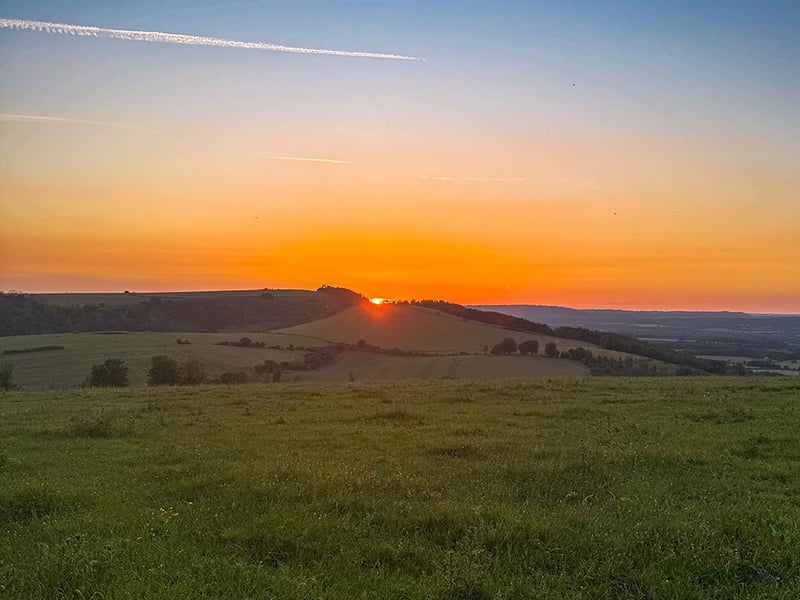
As summer begins to give way to autumn, the landscape at West Dean is starting to change. The long, warm days are shortening, the light is becoming softer and the leaves are starting to turn. Across the estate, subtle changes are appearing in the trees, fields and hedgerows, signalling the arrival of a new season.
It has been a challenging summer, with a prolonged period of high temperatures putting considerable pressure on the landscape. Extended dry weather can affect everything from crops and grassland to trees, flowers and insects, and it is likely that much of the estate has felt the effects. The rain we received at the end of August was therefore very welcome, but after such a prolonged dry spell, we need considerably more to replenish the ground and help the land recover.
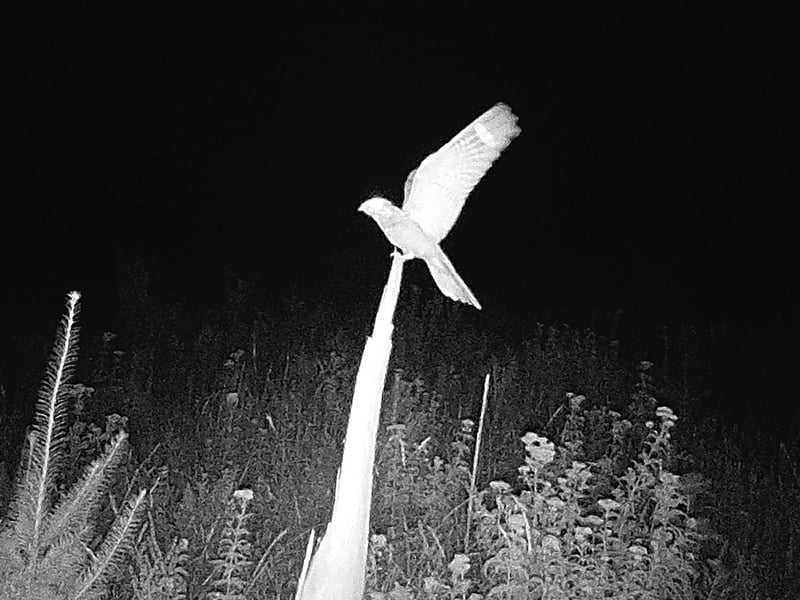
Our surveys have continued throughout the spring and summer, helping us build a clearer and more detailed picture of the species that call West Dean home. Surveys take place from dawn to dusk, and sometimes into the night, helping us spot some of the more elusive species that may otherwise go unnoticed. They have ranged from breeding bird counts and ground nesting bird surveys to bat surveys, mammal surveys, reptile surveys, butterfly and moth surveys. It is hard work, but those long days and nights have been rewarded with some unforgettable wildlife moments.
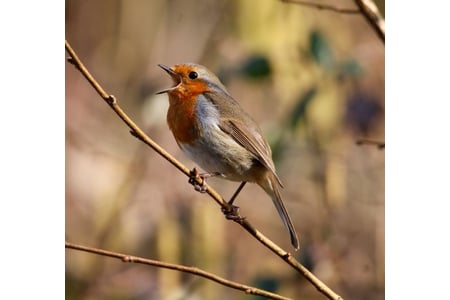
So far this year, more than 80 bird species have been recorded across the estate, alongside more than 25 species of butterfly. These records are the result of ongoing surveying across the varied habitats of West Dean, from newly planted to mature woodland, to farmland, grassland and hedgerows.
Surveys will continue until the end of the year, and every season brings its own species, behaviours and clues to what is happening across the estate and wider landscape.
Working with partners is something we see as being of great importance and take great pride in at West Dean. We are fortunate to have many organisations and individuals who assist us with our surveying and management. Without this support, we would not be able to gather the amount of data and research that we do. So, a big thank you to everyone who has been involved. You know who you are!
Once again, despite this year's challenging temperatures, this year's observations have shown us that West Dean is a rich and biodiverse estate. It is not just the areas of woodland or fields that provide valuable habitat. The network of hedgerows, field margins, ponds, grasslands and individual trees all contribute to a much bigger picture. All habitats we are enhancing, connecting and creating.
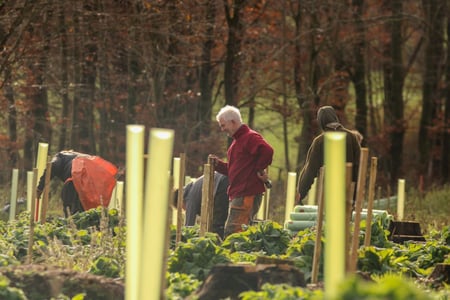
Over the winter and spring of 2026, we planted more than 32,000 trees, creating over 13 hectares of new woodland. These new areas will develop and mature over time, creating further habitat and helping to strengthen the connections between existing woodland and other habitats across the estate.
For me as the Estates Ranger, this is one of the most rewarding parts of surveying. Every record adds another small piece to our understanding of the estate, helping us to see not only what species are present, but how they use the landscape and how we can continue to manage it with wildlife in mind
Away from the woodland and hedgerows, the farm across West Dean have also been busy throughout the summer.
It has been a busy harvest, with fields of oilseed rape, wheat and barley all harvested. After months of growth, the golden fields of cereal crops have given way to stubble, bare earth and the first preparations for the next growing season.
Harvest is about more than the crops themselves. Once the combines have passed and the fields are left with stubble, they become valuable feeding grounds for wildlife. Birds can be seen searching the newly harvested fields for grain and insects, while the margins and hedgerows continue to provide shelter and food.
This is one of the things that makes West Dean such an interesting place. It is a working estate and a wildlife rich estate at the same time. Farming, forestry, gardens, woodland and conservation all form part of the same landscape, each playing a role in creating the rich and varied environment we see across West Dean.
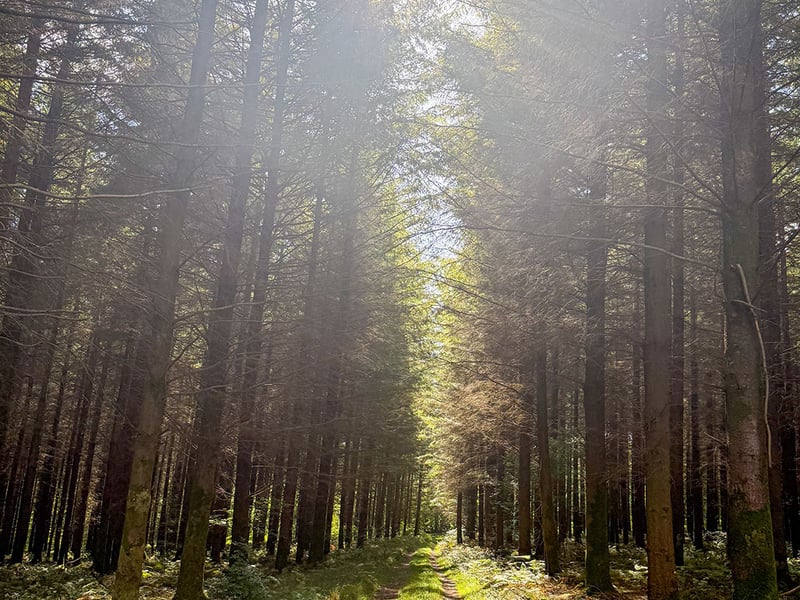
Typically, by mid September, the first unmistakable signs of autumn begin to appear. This year however, we have experienced trees turning colour and dropping their leaves early. This was triggered by the extreme heat and drought stress rather than actual seasonal change.
Look for the changing colours in the canopy, berries in hedgerows, acorns gathering beneath oak trees and spiders' webs catching the morning dew. In the fields, look for birds gathering on the stubble left behind after harvest, making the most of seeds and insects.
Listen for the sounds of leaves moving in the breeze, the crunch of fallen leaves underfoot and the calls of birds becoming more noticeable as the loud chorus of summer quietens. Flocks of birds can also become more apparent as they move through the landscape, feeding and preparing for the colder months ahead.
Smell the changing countryside. The warm, green scent of summer gives way to something earthier. Damp soil, fallen leaves, woodland floor and freshly cut fields. After rain, these smells become particularly strong, bringing a welcome reminder that the landscape is responding to the changing conditions.
Feel the season too. Notice the cooler mornings, damp grass beneath your feet and the crispness in the air, all signs that summer is giving way to a new season.
Autumn is not simply an ending. It is a season of abundance and preparation. Trees are producing seeds, wildlife is making the most of the food available, and the landscape is preparing itself for winter. So, next time you are out on the estate, take a little longer. Look up into the trees, listen to the hedgerows, breathe in the scent of damp earth and fallen leaves, and see what signs of autumn you can find.
Maddy Crews - Estate Ranger