Jasmina Vuckovic
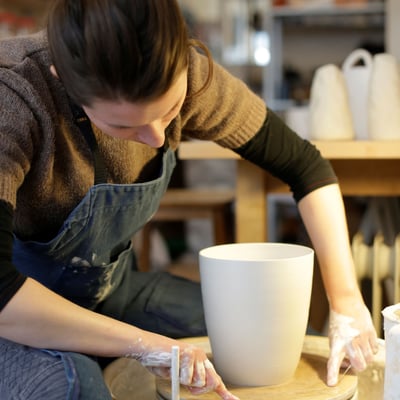
Jasmina was a practising ceramics artist in her home country, Serbia, before moving to the UK in 2008 to pursue an MA in Conservation, specialising in ceramics and related materials at West Dean College.
Ref: D1D41586
This course is part of our Books and Conservation (Book Con) Summer School, a themed series of short courses exploring the making, meaning and preservation of books, print, ceramics and archival materials. The week brings together bookbinding, decorative techniques, letterpress, illumination and conservation practice, offering an opportunity to experience both traditional craft skills and contemporary approaches to working with books and related cultural objects.
This one day course is aimed at those who are curious about conservation, and would like to find out more about ceramic conservation. Through discussion and practical tasks, you will learn about the discipline, treatment considerations and exercise manual dexterity by engaging in exercises such as handling and assembly of broken shards.
At the end of the course, it is anticipated that you will have gained a basic understanding of the role of a ceramics conservator and attributes needed for performing the role. It is aimed at those working in associated areas who would like to have an understanding of some of the methods used or those interested in gaining an insight into what is involved.
The course is run by two practising conservators with varied work experience, both in the private and public sector, who will share their experience of working in the field, with ample opportunity for questions.
All courses taught during Books and Conservation Summer School are taught by practising makers and conservators, offering insight into the processes, materials and decisions involved in both the creation and care of books, ceramics and archival objects. Through practical workshops and guided instruction, students are encouraged to develop confidence in handling materials, understanding structure, and exploring the relationship between making and meaning. The programme is suitable for beginners as well as those wishing to build on existing skills or explore routes into further study.
Across the week, participants will work with a wide range of techniques and materials, including sewn and non-adhesive structures, decorative paper processes, traditional gilding and finishing, letterpress printing, and conservation methods for books, archives and ceramics. Alongside these practical skills, the courses encourage experimentation, material understanding, and reflection on the role of the handmade object in both historical and contemporary contexts.
A central theme of the week is the dialogue between construction and conservation: understanding how books are made informs how they are cared for, while conservation practice reveals the histories embedded within objects through use, repair and time. The programme also considers sustainability, personal archives, and the continuing relevance of material practices in a digital age.
Students who book onto a Books and Conservation Summer School short course are invited to attend a very special evening talk and Q&A on Wednesday, 19 August (6pm-8.30pm) which centres around Making Design Work: Bookbinding and Book Conservation Perspectives. A conversational evening event exploring the relationship between book design, making and conservation practice.
Hosted by Victoria Stevens and Mark Cockram, the session invites reflection on how different disciplines interpret original intent in books and bindings, and how design decisions are negotiated across making and preservation. Includes informal discussion with a glass of wine, Pimms & Lemonade and canapes.
Bookbinding and Book Arts
Conservation
Print, Lettering and Surface
Find out more and View all Courses
Paraloid B72 adhesive tubes, some small porcelain/earthenware dishes and Scotch Magic tape for the group to use
Please wear appropriate clothing/aprons for the workshop or studio, this includes stout covered footwear (no sandals or open toes)..
Student registration: 10.30am - 11am
Course teaching: 11am – 5.15pm
Morning session: 11am - 1pm
Lunch break: 1pm - 2pm (lunch is not included)
Afternoon session: 2pm - 5.15pm (15 minute break, 3.30pm–3.45pm)
Teaching finishes: 5.15pm
Short courses are open to anyone aged 18 and over. The course fee covers tuition and materials where stated. You will need to bring all other items listed under the Materials to bring section.
Coffee and tea are included in the course fee, but you will need to bring lunch with you to eat in the refreshments room. There are also plenty of other local venues to purchase food.
If you have any specific access needs, we will need to know about your access requirements in advance. Please tell us about your needs in confidence by emailing: [email protected] This venue has steps to the front reception, with limited access via a side gate to the ground floor. There is a small lift to higher floors or stairs.
Short course students are required to sign a safety compliance form as part of West Dean Health and Safety regulations.
Please refer to our terms & conditions below.
The information given is accurate at the time of publication. However, West Dean College reserves the right to cancel or amend courses if circumstances require.
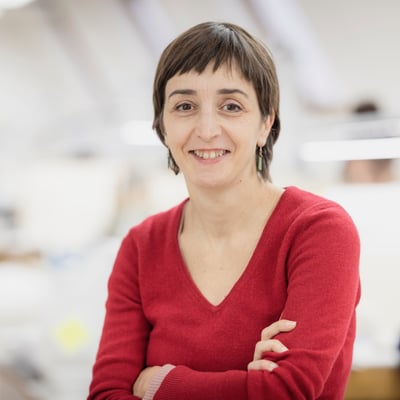
Jasmina was a practising ceramics artist in her home country, Serbia, before moving to the UK in 2008 to pursue an MA in Conservation, specialising in ceramics and related materials at West Dean College.
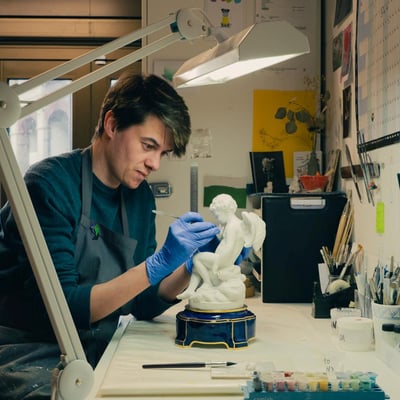
Tiago set up his conservation business in London in 2015. His clients are museums, art galleries, collectors, the Trade and colleagues from other specialisms. Recent projects include freelance work for The Courtauld Institute and The Wallace Collection in London, the National Monuments Institute in Portugal and the Federal Monuments of Austria. He holds an MA specialising in ceramics and related materials from West Dean College since 2012. His main interests are the conservation of architectural ceramics and historical glass objects.
www.toconservation.co.uk
Take the next step in your creative practice, with foundation level to Masters in Fine Art study.
Depending on your experience, start with an Online Foundation Certificate in Art and Design (one year, part-time), a Foundation Diploma in Art and Design made up of 10 short courses taken over two years (part-time) or advance your learning with our BA (Hons) Art and Contemporary Craft: Materials, Making, and Place (six years part-time). All will help you develop core skills, find direction in your practice and build an impressive portfolio in preparation for artist opportunities or higher-level study. See all degree and diploma courses.