Skills for Conservation: PVA-Borax and Polysaccharide Gels for Cleaning Sensitive Surfaces with Del Bianco and Ilaria Saccani
Ref: D2D42017
Course Description
This intensive two-day workshop explores the use of high-viscosity PVA-Borax and polysaccharide gels as adaptable cleaning systems for sensitive heritage and cultural materials. Combining theory, demonstration and hands-on practice, the course provides an opportunity to deepen your understanding of gel-based cleaning methods and their application across a wide range of conservation contexts.
Led by conservation specialists Andrea Del Bianco and Ilaria Saccani, the course begins with an introduction to the principal classes of gelling agents used in conservation. You will examine their chemical and physical properties, explore the mechanisms through which they act, and consider how they can be tailored to address specific cleaning challenges.
Practical sessions will focus on the preparation and modification of PVA-Borax and polysaccharide gels. Through guided experimentation, you will investigate how changes in concentration, the addition of rigid gels, chelating agents and solvents can influence gel behaviour and performance. Extensive case studies will demonstrate the use of these systems on materials including plaster, marble, painted surfaces, wood, paper, parchment, photographs and contemporary materials.
Throughout the workshop, participants will prepare and test a variety of gel formulations, gaining first-hand experience of controlling viscoelasticity and adapting cleaning systems for different applications. There will also be opportunities to discuss real conservation challenges and explore treatment options through group discussion and practical testing.
First Day:
- 10:00-13:00 Theoretical session on gels in general: in-depth study of PVA-Borax and polysaccharide gels and their preparation methods
- 13:00 14:00 - Lunch break
- 14:00-17:00 Preparation of PVA-Borax gels and their modifications with the addition of rigid gels, organic solvents, chelating agents, and reducing agents
Second Day:
- 10:00-12:00 Presentation of numerous case studies on the application of the discussed gels. Various materials will be covered, including plaster, marble, mural paintings, wood, gildings, paintings on canvas and panel, contemporary techniques, synthetic materials, paper, parchment, and photography
- 12:00-13:00 Preparation of polysaccharide-based gels and their combinations
- 13:00 14:00 - Lunch break
- 14:00-17:00 Applications of gels on different types of mock-ups. Planning of interventions on real cases brought by participants and gel application tests to solve specific cleaning problems
By the end of the course, you will:
- Understand the properties and applications of PVA-Borax and polysaccharide gels in conservation cleaning
- Gain practical experience in preparing, modifying and testing gel systems
- Evaluate the suitability of different gel formulations for a range of materials and conservation challenges
- Develop confidence in designing and adapting cleaning approaches for sensitive surfaces
This course is suitable for conservators, conservation students and heritage professionals seeking to expand their knowledge of contemporary cleaning methodologies.
Course Materials
Included
On this course the tutor will supply some of the materials including the polysaccharides. The College will supply all other materials including PPE, glass beakers, digital scales, Disodium EDTA, Triammonium citrate, Benzyl Alcohol, Ethyl Alcohol, Sodium tetraborate decahydrate, Tween 20, Acetone and MEK as well as materials and samples to work on.
What students need to bring
Please ensure you wear long-sleeved clothing. You may also want to bring your own apron (or lab coat) although you can also use disposables aprons available on-site. Please also make sure to bring a notebook and pen so that you can make notes if needed.
Available to buy
A good variety of art materials are available to buy at the Garden's Gatehouse Shop.
Additional information
Please wear appropriate clothing/aprons for the workshop or studio, this includes stout covered footwear (no sandals or open toes).
Timetable
10am - 5pm (lunch break from 1pm - 2pm. Please note that lunch is not provided)
General Information
Tutors

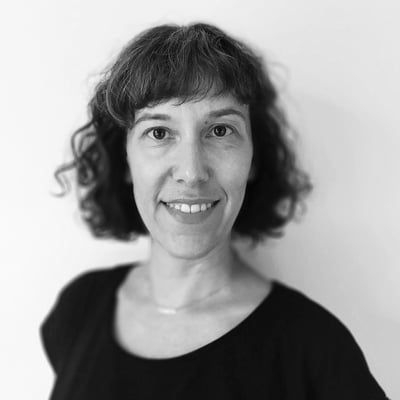
Ilaria Saccani
Ilaria Saccani is a conservation scientist with a degree in Conservation of Easel Paintings. Since 2006, she has been a part of CESMAR7 as a researcher on traditional and contemporary artworks, with a focus on cleaning methods.